Most people discover too late that a TCG is actually three hobbies disguised as one. Picking the wrong one costs real money.
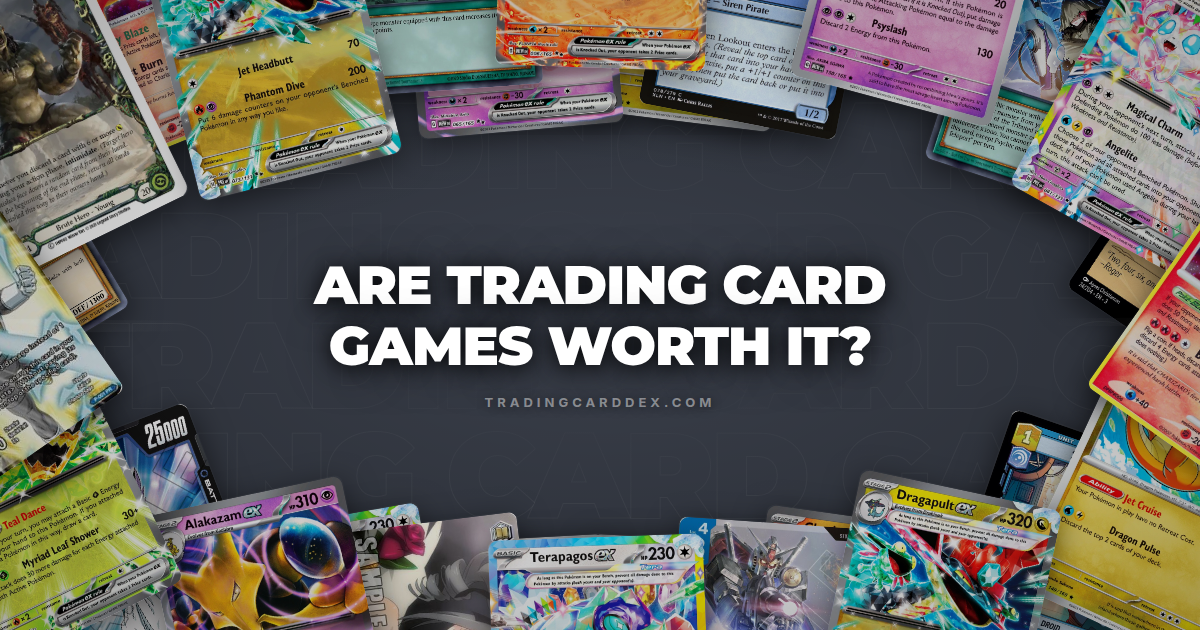
Thousands of new players pick up trading card games every month, spend real money on booster packs and starter decks, and never stop to ask the obvious question until the hobby has already taken hold. Are trading card games worth it, or does the mix of randomized products, rotating metas, and a volatile secondary market make them one of the most expensive traps in tabletop gaming? The answer depends on a few things most people never consider before buying their first pack.
What Makes a Trading Card Game Worth Your Time and Money
The first thing people get wrong about TCGs is treating them like a single product. A trading card game is really three hobbies stacked on top of each other: competitive gameplay, collecting, and community. Some people only care about one of those things, and that's fine. But the reason this hobby has such staying power is that it delivers on all three at once, in a way that almost nothing else does.
Consider this. From a gameplay perspective, the best trading card games offer strategic depth that rivals chess. Every card in a deck matters. Every decision during a match has consequences. Players are constantly reading opponents, managing resources, and adapting to the meta. Competitive TCG players often describe the game as a puzzle that changes every single week. New sets drop, new cards enter the card pool, and the entire metagame shifts. That alone makes TCGs worth checking out for anyone who enjoys strategy.
Meanwhile, there's the collecting side. Rarity drives the entire collectible ecosystem, and card art in modern TCGs has reached absurd levels of quality. The illustrators working on Pokemon, Disney Lorcana, Flesh and Blood, and One Piece are producing pieces that belong in a gallery. Pulling a super rare foil variant from a booster pack triggers something primal in the brain. Building a curated collection, tracking down rares, and watching the rarest pulls hold or gain value on the secondary market gives the hobby a tangible, lasting dimension that pure digital gaming can't match.
On top of all that, the community piece is massive. Local game stores run weekly tournaments and casual play nights. Online communities dissect every new expansion the moment it's announced. There's a social infrastructure around TCGs that turns a card game into a lifestyle. For anyone who's felt like gaming was getting lonely, walking into a room full of people who want to shuffle up and play is a welcome change.
The Best Trading Card Games to Get Into Right Now
Not all TCGs are created equal, and which one is right for you depends entirely on what you're looking for. Here's where the major players stand in 2026.
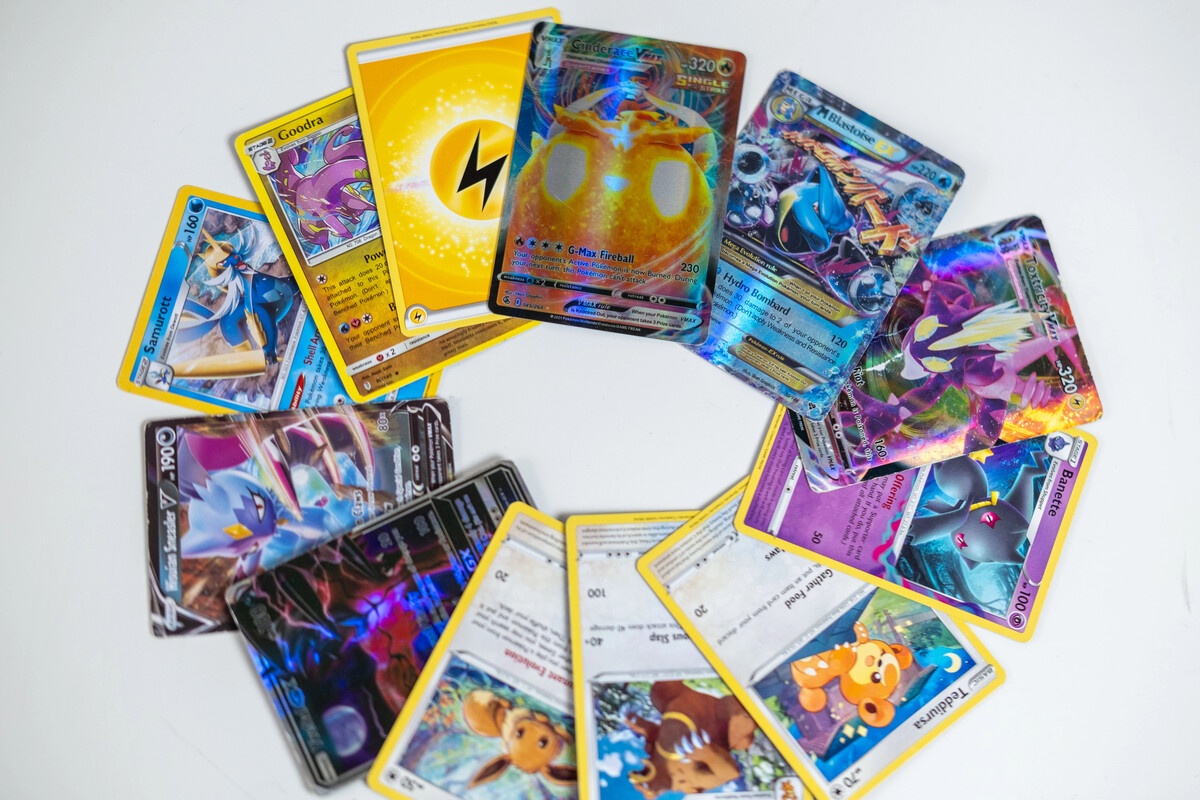
The Pokemon Trading Card Game is, by almost every measure, the number one card game in the world right now. The player base is enormous, the card art is consistently stunning, and the barrier to entry is shockingly low. A starter deck runs around fifteen to twenty-five dollars and provides a perfectly playable deck ready to go. Pokemon also has the most family-friendly design of any major TCG, which means it's easy to pick up whether you're eight or forty-eight. The Pokemon brand recognition alone keeps the secondary market healthy, and booster packs are available literally everywhere. For someone who's never played a trading card game before, Pokemon is the safest and strongest first recommendation.
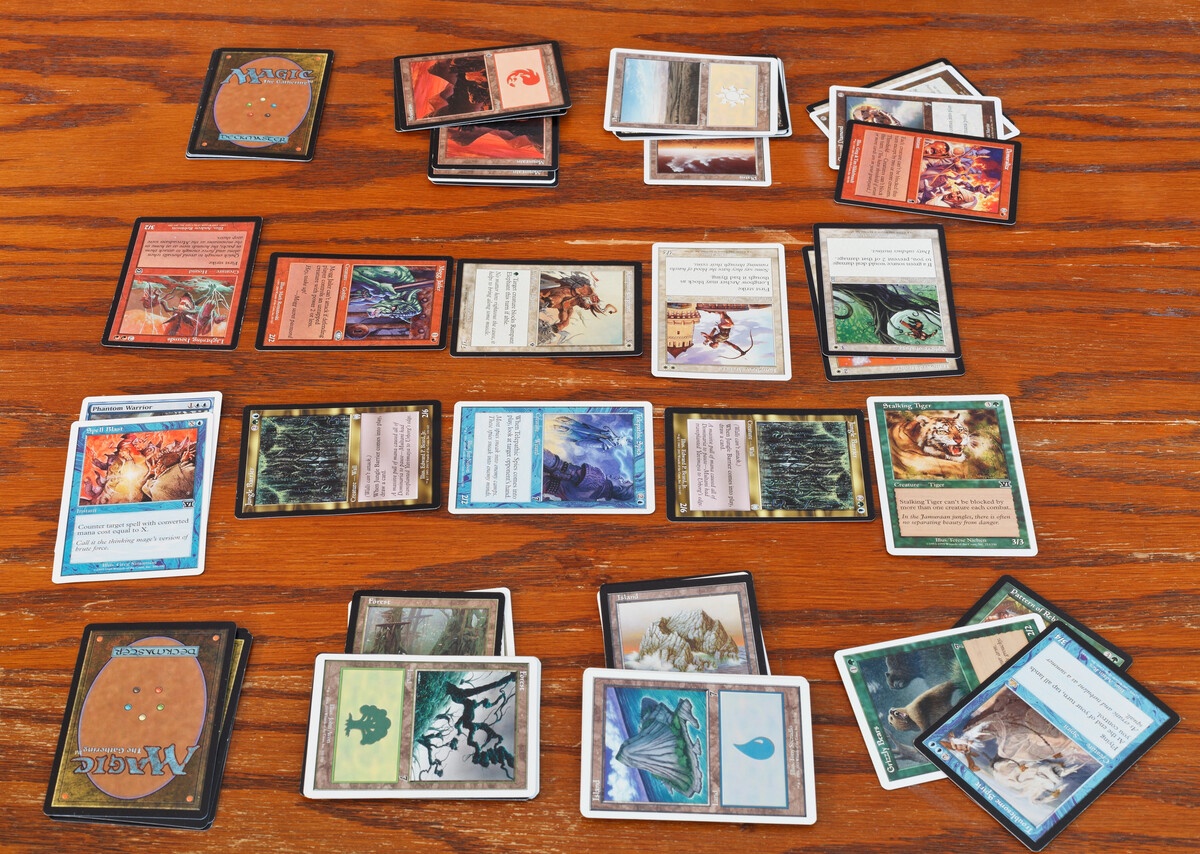
That said, Magic: The Gathering remains the deepest, most mechanically complex TCG on the planet. MTG has been around since 1993, and the sheer volume of cards, formats, and strategies available is staggering. Every archetype imaginable exists somewhere in Magic's history. The downside is that competitive Magic can get expensive fast, especially in formats like Modern where individual singles online can run fifty dollars or more. But for anyone who wants the richest possible strategic experience and is willing to invest, gathering cards for an MTG deck is one of the most rewarding things in tabletop gaming. Commander format, which lets you build a deck around a single legendary creature, has become the most popular way to play and is genuinely fun at every budget level.
And yet, Yu-Gi-Oh is the wild card. The game has a reputation for power creep and complexity that can intimidate new players, but Yu-Gi-Oh's card pool creates some of the most explosive, dynamic gameplay in the TCG space. Matches are fast, combos are satisfying, and the competitive scene is thriving. It's also more affordable than Magic at the top end, since Konami regularly reprints chase cards like staple hand traps to keep prices reasonable.
Disney Lorcana has quickly established itself as one of the best TCGs for newcomers. The game is beautiful, the mechanic design is clean, and the Disney IP gives it crossover appeal that no other card game can touch. Lorcana is the TCG most worth recommending to families and people who want something fun without needing to study tier lists. The expansion sets have been rolling out at a steady pace, and the competitive scene is growing fast.
Here's where it gets interesting. Flesh and Blood deserves serious attention from anyone who loves deep competitive play. This game was designed from the ground up for tournament-level strategy, and it shows. The resource system, the attack-and-defend structure, and the emphasis on player skill over luck make it one of the best tcg experiences available right now. The card art is also incredible. For anyone tired of games where the person who opened the best booster packs wins, Flesh and Blood might be exactly the answer.
One Piece TCG has exploded in popularity thanks to the anime's global surge. The gameplay is solid, the artwork features original illustrations that capture the manga's energy, with ultra-rare Manga Rare cards using actual panels from the series, and the collector demand for rare cards is intense. Star Wars: Unlimited is the newest major entry, and early reception has been very positive. The Star Wars IP combined with genuinely good game design makes it worth checking out for fans of the franchise.
And then there are living card games, which take a completely different approach. Games like Marvel Champions and Arkham Horror LCG sell fixed card packs instead of randomized boosters, so you know exactly what you're getting. There's no chasing rares or buying singles online because every card is available to everyone. These are best for players who love deckbuilding and gameplay but hate the collectible card games pricing model.
The Cost Question: Is a TCG a Money Sink?
Time to be real about this, because it's the question that stops most people from starting. Are TCGs like Magic the Gathering a money sink? It depends entirely on how someone approaches the hobby.
The reality is, if you buy booster packs hoping to pull valuable cards, you will almost certainly lose money over time. The expected value of a random booster pack is almost always less than its retail price. That's how the business model works. Treating packs as lottery tickets leads to disappointment.
But there's a catch. Smart TCG players don't build their decks by ripping packs. They buy singles. Need a specific rare for your deck? Go online, find the exact card, pay the market price, and move on. Building a competitive deck through singles online is almost always cheaper than trying to pull what you need from random boosters. A solid competitive deck in Pokemon might run seventy-five to one hundred fifty dollars. A casual Commander deck in MTG can be built for under fifty. A Flesh and Blood starter deck comes ready to compete at local events.
Still, the real cost of a TCG is the ongoing investment as new sets release and the metagame shifts. Competitive players need to pick up new cards regularly to keep decks relevant. This can range from twenty dollars a month to several hundred, depending on the game and format. Compared to other hobbies though, that's not outrageous. A single night out costs more than most deck upgrades.
The problem is, TCGs become genuinely problematic as a money sink when people conflate collecting with investing. Buying sealed product hoping it appreciates in value is speculation, not collecting. Some sealed boxes have gone up dramatically. Most haven't. Buying cards out of love for the game and the art always delivers money's worth in enjoyment. Buying cards hoping to fund retirement is a different proposition entirely, and a risky one.
What You Actually Get From Playing
Are TCG games good for your brain? Genuinely, yes. Building a deck around a specific strategy requires abstract thinking, resource management, and probability assessment. During a match, players are constantly making decisions under uncertainty, reading an opponent's intentions, and adapting plans on the fly. Strategic card games improve working memory, pattern recognition, and decision-making skills. It's a cognitive workout that happens to be fun.
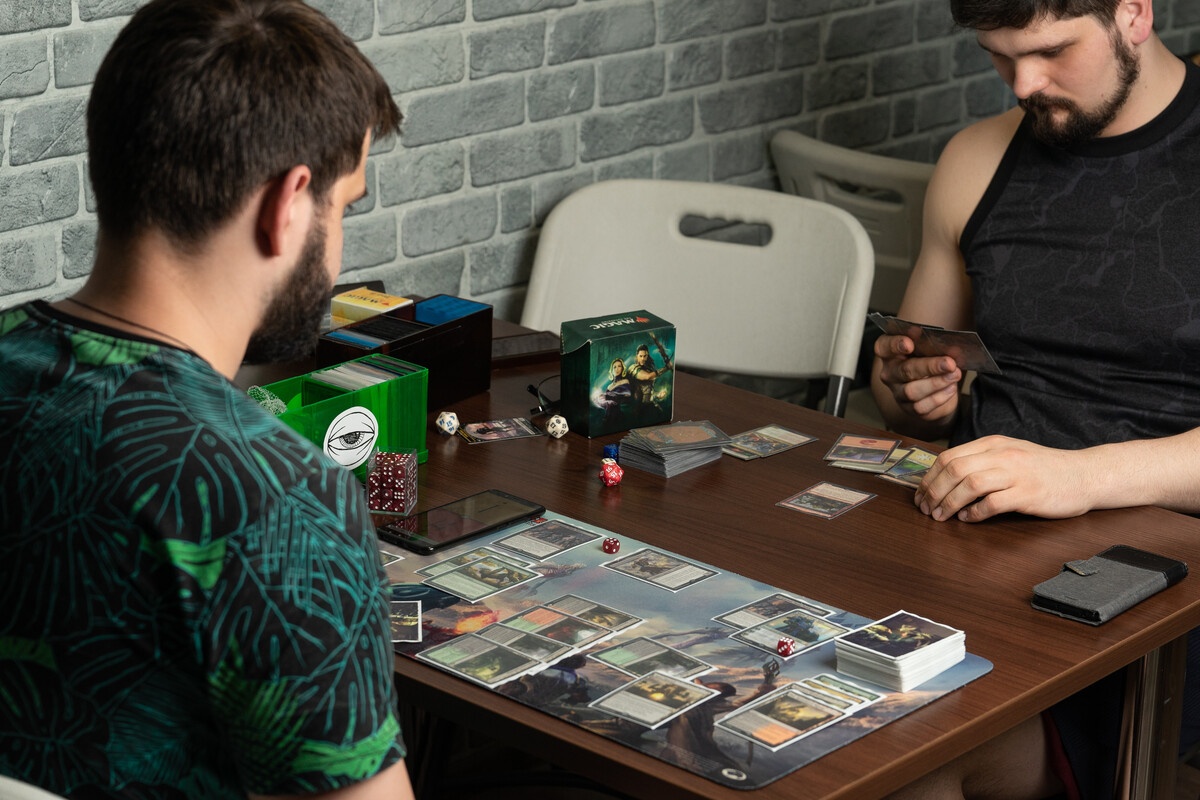
So beyond the mental benefits, TCGs offer something increasingly rare in modern gaming: face-to-face social interaction. Sitting across from another person, shuffling real cards, and having a conversation between turns is fundamentally different from queuing into an anonymous online match. Tournament communities become genuine friend groups. Play testing sessions become weekly hangouts. The social return on a TCG investment is enormous for anyone who engages with it.
And there's the pure satisfaction of mastery. Learning a new TCG, understanding its mechanic systems, figuring out the meta, and slowly improving your win rate is deeply rewarding. Winning the game at a local tournament with a deck built from scratch is a feeling that's hard to replicate.
When a Trading Card Game Is NOT Worth It
No honest assessment of TCGs can skip the downsides. There are real scenarios where this hobby becomes a bad deal.
For anyone with a compulsive personality around collecting, the randomized nature of booster packs can be genuinely dangerous, and understanding why trading cards are addictive helps explain the pull. The "just one more pack" mentality is real, and card companies design their products to trigger exactly that impulse. Anyone who struggles with this kind of thing should either commit to buying only singles or consider living card games where the randomness is removed entirely.
On the other hand, without a local scene or online playgroup, a TCG can feel like an expensive collection of cardboard that sits in a binder. The gameplay is what gives the cards meaning. Without opponents, you're paying for art prints with extra steps. Before investing in any TCG, check whether your area has active play groups or stores that run events.
Chasing the meta constantly and playing at the highest competitive level can cause costs to spiral. The best players in games like MTG and Yu-Gi-Oh often spend significant money each season keeping their decks optimized. If that sounds exhausting rather than exciting, competitive TCGs might not be the right fit. Casual play and limited formats exist specifically for people who want the fun without the financial pressure.
And if the only motivation is the belief that cards are a good financial investment? Reconsider. The secondary market is volatile, trends are unpredictable, and the competition includes people who do this professionally. Collect because you love it. Invest money elsewhere.
So Should You Try a Trading Card Game? The Verdict for 2026
After years of tracking this space, the answer is clear. Trading card games are absolutely worth it for the right person. The combination of strategic depth, beautiful collectible card art, and genuine community is something no other hobby delivers in quite the same way, and comparing digital vs physical trading card games only reinforces how much the physical experience offers. The best trading card games available right now offer entry points at every budget level, and the variety is better than it's ever been.
For the brand new player, start with Pokemon or Disney Lorcana. Both are easy to pick up, affordable to start, and have thriving communities. Grab a starter deck, find a local shop, and play a few games. You'll know within a week whether this is for you.
For serious competitive depth, look at Magic: The Gathering or Flesh and Blood. These are the best tcgs for players who want to be challenged and rewarded for skill. The learning curve is steeper, but the payoff is worth it.
For something fresh, One Piece and Star Wars: Unlimited are the most exciting new entries. Both have passionate player bases and strong expansion sets already building out their card pools.
The bottom line is this. A trading card game is worth exactly what you put into it. Approach it as a hobby you enjoy, buy smart, play often, and engage with the community. Do that, and you'll get more value out of a stack of cards than most people get out of a streaming subscription. The TCG hobby isn't just worth collecting. It's worth living.