Pokemon cards beat the S&P 500 for a decade. Then armed robberies started. The line between investment and mania is thinner than you think.
In 2021, a study found that Pokemon cards had outperformed the S&P500 over the previous decade. The same year, armed robberies targeting Pokemon cards were reported in multiple US states. People were holding others up at gunpoint for cardboard.
So, are trading cards a good investment? Maybe, for some people, under certain conditions, at certain times. But the way the market gets talked about, it's worth slowing down. What does "investment" actually mean here? What makes a collectible hold value over decades? And what happens to the market when everyone is buying for profit and nobody is buying to play?
Investing in sports cards: what the numbers say
Sports card investing has generated real returns. The 1952 Topps Mickey Mantle card sold for $12.6 million in 2022. Michael Jordan rookie cards have appreciated more than most stock portfolios over the same period. Vintage cards, especially graded cards from established grading services, have followed a trajectory that beats many conventional assets. When you grade a card through PSA or BGS and get a 10, the premium over a raw copy can be enormous.
Modern cards told the same story for a while. Pokémon cards surged during COVID lockdowns. Panini and Topps sports card products sold out overnight. Buying and selling on secondary markets became a full-time job for thousands of people. The sports card market, spanning baseball card sets, football cards, basketball, and trading card games, went from a quiet hobby to front-page financial coverage.
Card values for the right autograph, the right rookie card, the right numbered card from the right player genuinely climbed. Autograph cards from top rookies, particularly those whose player performance holds up over time, became some of the most sought-after cards in the hobby. Collecting sports cards became sports card investing. For a window of time, it looked like easy money.
Many collectors and investors watched market trends shift in real time. Card shows that used to be casual became high-stakes trading floors. Sports leagues and their licensed card products sat at the center of it.
Trading card investment vs assets that create value
When you invest in a company, you are betting it will create value for other people. Apple generates revenue because people buy its products. A car company earns returns because it builds things people use. The investment is backed by ongoing productive activity.
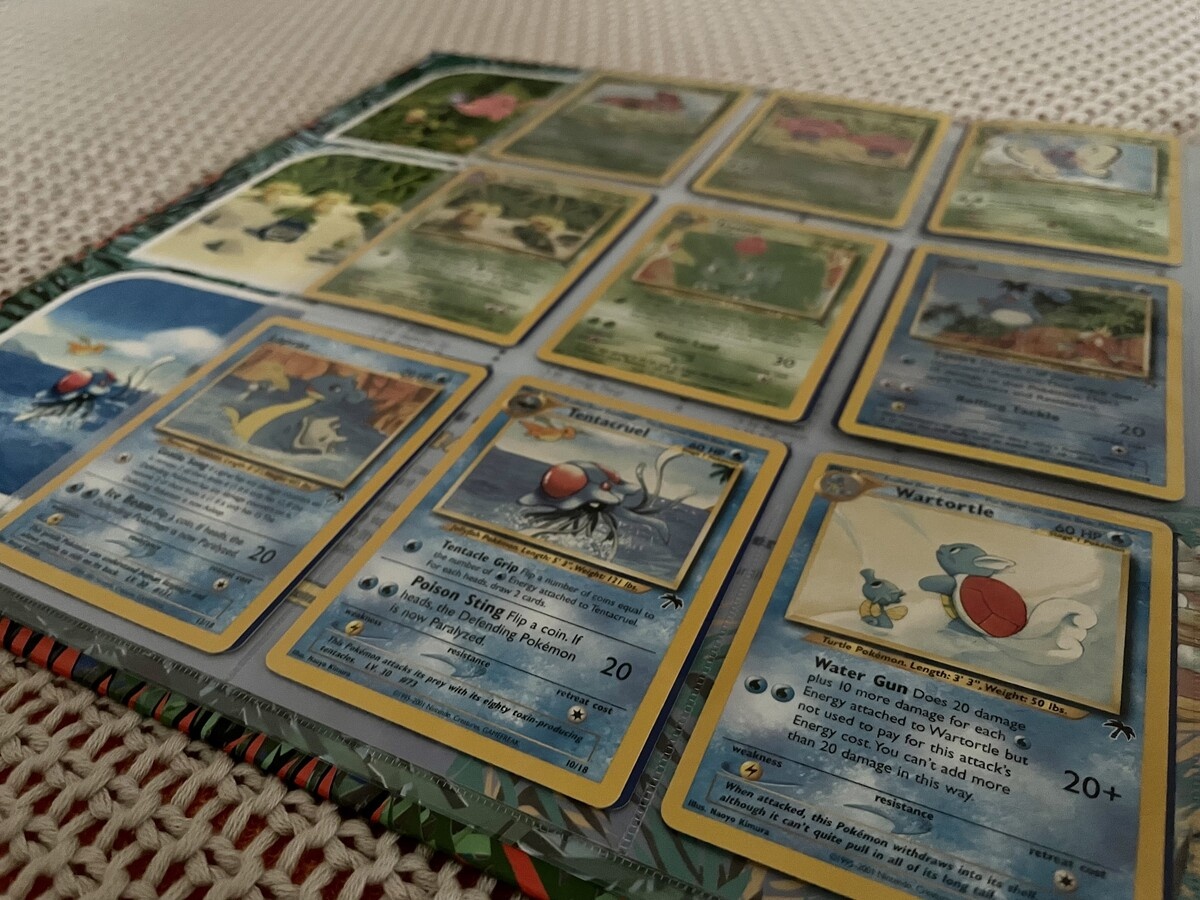
A trading card is backed by IP strength. That's it. A Pokémon card is worth something because the Pokemon brand exists, people care about it, and the card is scarce relative to demand. The card itself creates nothing. It sits in a sleeve.
Card investing is therefore a different category than buying stock. You are not buying a claim on assets that generate returns. You are buying a collectible and betting that someone else will want it more than you do when you decide to exit. That is speculative, not productive.
The distinction matters because it tells you where the risk lives. A company can adapt, pivot, generate new revenue. An IP can't do that on its own. When the IP fades, the card market fades with it.
Sports card market bubbles: when Pokémon cards and collectibles lose value
There is a long history of collectibles that looked like great investments until they didn't.
Hummel figurines, the ceramic ornaments that defined a generation of decorative collecting, were actively traded at card shows, auction houses, and collector networks through the 1980s and early 1990s. Certain figures carried real secondary market premiums. People collected sports trading cards and Hummels with the same logic: scarcity plus nostalgia plus brand recognition equals value over time.
Then Hummels collapsed. The generation that found them meaningful aged out. The generation that followed had no attachment to a ceramic shepherd boy. Today you find them at estate sales for a few dollars each.
Beanie Babies are the more famous case. Ty's limited-edition plush toys became the object of a genuine speculative mania in the late 1990s. People bought doubles to keep one sealed and sell the other. The trading card market and the Beanie Baby market ran the same playbook. Then Ty flooded supply, the generation moved on, and the market evaporated.
The pattern repeats. Garbage Pail Kids. Cabbage Patch dolls. Every decade produces its collectible frenzy. A product with scarcity, brand recognition, and nostalgic attachment gets discovered by the investment crowd, prices run up, and then demand collapses when the cultural attachment fades.
Card market and the 30-year Rinker rule
Harry Rinker, a well-known antiques and collectibles appraiser, described what became known as the 30-year rule: for the first 30 years of anything's life, all its value is speculative. The rule says it takes roughly three decades for a collectible's market to stabilize and reveal whether the item has genuine lasting value or was riding hype. Before that threshold, prices are driven by sentiment, nostalgia cycles, and speculation rather than settled demand.
The generational angle compounds this. The people who grew up with a collectible tend to drive its market as adults, and when that generation ages out of active buying, the next generation either picks it up or doesn't. If nobody new cares, the market collapses. This is what happened to Hummels, and it's what happened to baseball cards from the 1980s overproduction era. The print runs were enormous, the generation moved on, and those cards still carry almost no value today.
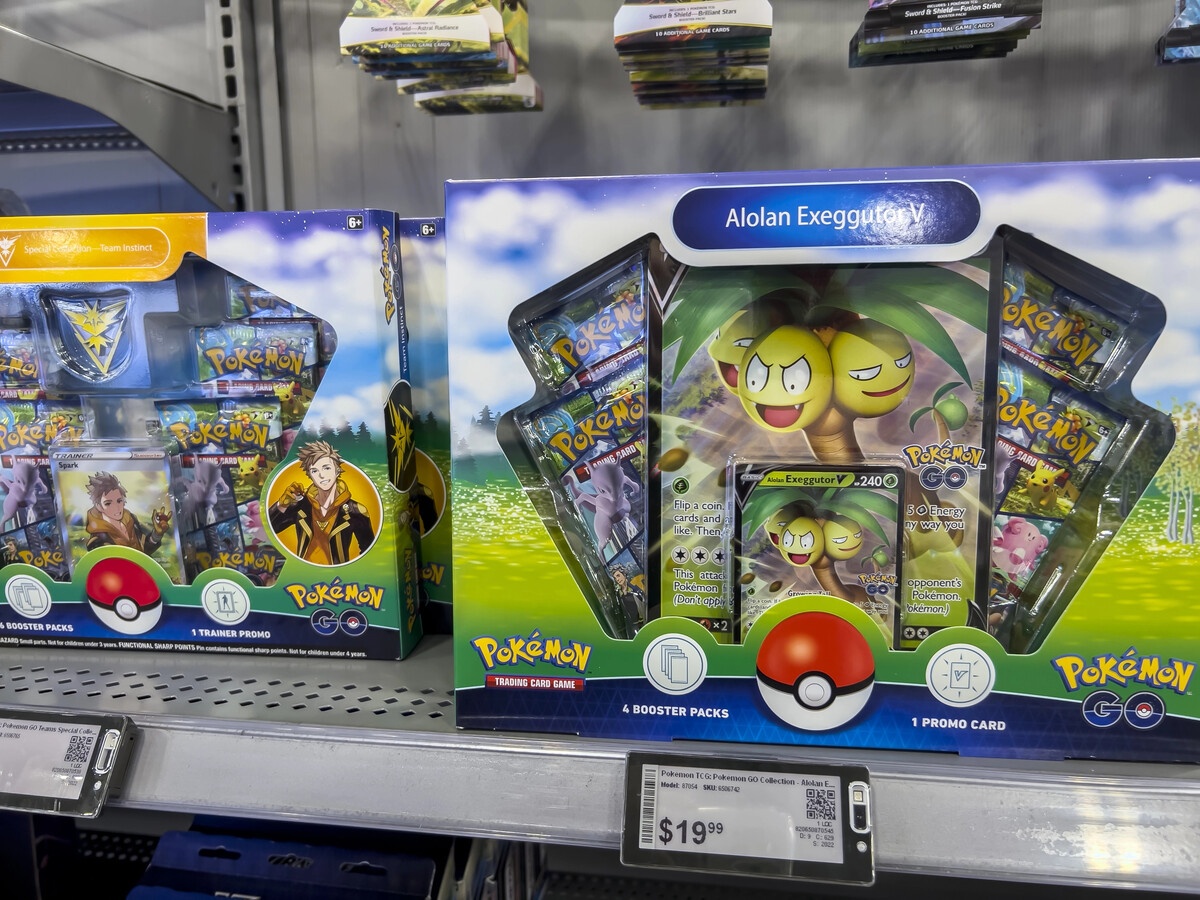
Pokemon and Magic: The Gathering are the interesting test cases. Pokemon launched in 1996. Magic in 1993. Both are now past the 30-year threshold, meaning by Rinker's logic their values should be moving from speculative to stable. The question is whether they've built lasting demand or are still coasting on a generational wave.
So far, the answer is lasting demand. The reasons why tell you something important about what makes a collectible durable versus what makes it a temporary trend.
Magic survived because it maintained an active competitive play community. Players still use the cards. Legacy formats require engagement with older sets. The game never became purely speculative.
Pokemon's durability is more striking because it's an ecosystem. The franchise spans video games, anime, merchandise, mobile games, and live events. New generations encounter Pokemon through the games and shows before they ever touch a card. That creates a continuous pipeline of new collectors entering the market, which is exactly what sustains card values long-term.
Most trading card games don't have that. Most collectible IPs don't have that. They have a moment.
Sports card investing and the bag holder trap: buying and selling with no exit
If most people buying sports cards and Pokemon cards are buying them as an investment, then by definition fewer people are buying them to play or collect for the love of it. The market tips toward being composed almost entirely of speculators.
Speculators need someone to sell to. Eventually.
A card market made up of collectors and investors who all intend to exit requires a constant supply of new buyers willing to pay more than the last buyer paid. This is the same structure as any market that depends on perpetual new entrants to sustain price levels. When the supply of new buyers slows, the people holding the most expensive cards have nowhere to go.
Cons of investing in any speculative collectible come down to this: you can only exit if someone else is entering. The moment the trading card market tips toward "everyone in it wants to sell," the community of people who love the cards, the thing that gave them value in the first place, starts to erode.
Priced-out kids become the next generation of non-collectors. When a teenager can't afford a pack of cards, when the sports card hobby has priced them out before they've started, they find something else to care about. The card market needs new enthusiasts who can browse and discover cards through resources like Trading Card Dex before they ever spend a dollar. When high-end cards price out young players and collectors, the pipeline shrinks. And when the pipeline shrinks, the market corrects.
Worth anything: what a collector will actually pay
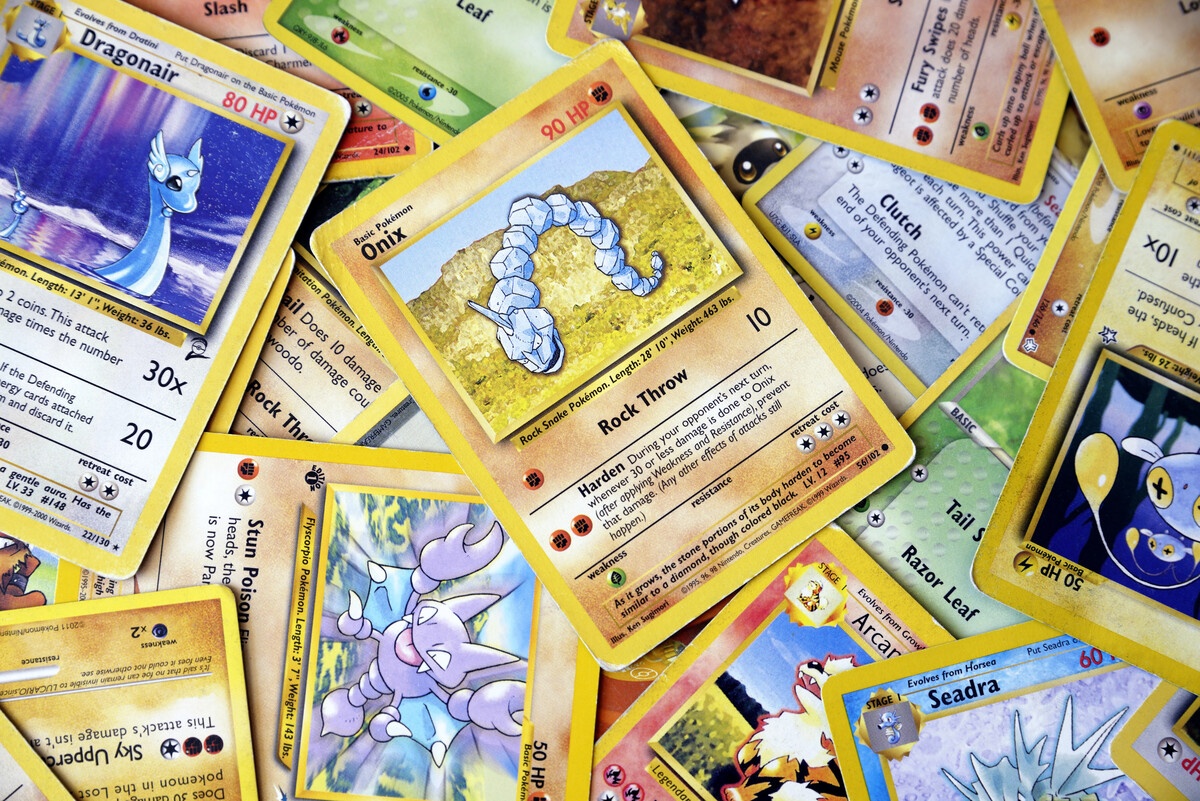
A graded card, a rare card, an autographed rookie, a vintage Mickey Mantle card, these are worth exactly what someone else will pay on a given day. Not more, not less.
That means card values aren't anchored to anything except collective agreement. A Michael Jordan rookie is worth hundreds of thousands because enough people with enough money have agreed it is. If the NBA lost cultural relevance, if Jordan's legacy dimmed, if the generation carrying that attachment aged out, the value would follow.
The people who have been in the sports card industry for decades will tell you: buy what you love. Buy what you would keep even if you could never sell it. Because the day you need to sell is the day the market may disagree with your number.
This is where the stock analogy breaks down. A share of a company has some floor, because it represents a claim on real assets and real cash flows. A trading card has no floor. Its value is entirely social. Then again, the same is true of gold, fine art, and wine. Plenty of assets with no cash flow have generated strong returns for people who understood the market they were operating in. Cards are not unique in being socially valued. They are unique in how fast the social consensus can shift.
When card investing actually works
Not all card investing is reckless speculation. There is a profile of card that has historically generated real, sustained returns, and understanding that profile separates informed buyers from people chasing hype.
Vintage cards from established sports and franchises have the strongest track record. 1950s Topps baseball sets have appreciated roughly 8 to 10 percent annually over 30-plus years. The supply is fixed and shrinking. The demand is multigenerational. A high-grade vintage card from a Hall of Fame player is as close to a reliable collectible investment as the market offers.
Graded cards in low population counts carry a structural advantage. When PSA or BGS has only graded a handful of copies at 10, the scarcity is documented and verifiable. That transparency gives graded cards something most collectibles lack: a public record of exactly how rare they are. Investors who understand population reports and buy into low-pop, high-demand cards have historically done well.
Cards tied to active, growing IPs outperform cards tied to fading ones. Pokemon and Magic have both crossed the 30-year threshold with expanding player bases, which is why their vintage cards keep appreciating while cards from dead IPs stagnate. The IP is the engine. If the franchise is still producing new fans, the cards tied to it have a tailwind. If the franchise is coasting on nostalgia alone, the clock is ticking.
Sealed product from popular sets has its own investment logic. A sealed booster box gets scarcer every time someone opens one. Historically, popular sealed Pokemon and Magic products have appreciated significantly over 3 to 5 year holds, and understanding booster boxes vs singles math is essential for anyone considering this approach.
The common thread across all of these is patience. Card investing works when the time horizon is years, not weeks. The people who lost money in the 2020-2021 frenzy were overwhelmingly short-term speculators, not long-term holders of quality product.
Cons of investing in trading cards
The other side of the ledger is just as clear. Modern cards from overprinted sets with enormous print runs rarely appreciate. Buying a mass-produced card from a current set and expecting it to gain value is usually a losing bet, because millions of copies exist in near-mint condition and supply will only grow as more boxes are opened.
Chasing hype rookies is one of the fastest ways to lose money. A player has one good season, the card spikes, speculators pile in, and then the player gets injured or regresses. The card crashes. The people who bought at the top are left holding a card worth a fraction of what they paid. This happens every single year across every major sport.
The investment frenzy of 2020 and 2021 left modern cards overpriced relative to long-term realistic value, and as the future of trading card games plays out, that correction has been sharp. The pattern is consistent across all speculative markets: the more a market is driven by stories of easy returns, the faster money floods in and the faster the conditions for a crash build.
Greed in the card market ultimately hurts the card market. High-end cards that price out the next generation aren't building the ecosystem. They're extracting from it. A teenager who can't afford a pack of cards finds something else to care about. That teenager was the future collector who would have driven values in 20 years. Card collecting requires new blood, and the sports card hobby has historically known this.
Can cards be a good investment? It depends what you're optimizing for
Card investing is real. The returns are documented. But it is not a substitute for traditional investing, and treating it like one is where most people get burned.
None of this is financial advice. Collecting sports cards and trading cards is a hobby first, and nothing written here should replace the guidance of an actual financial advisor. That said, the honest framework is worth laying out.
For someone who already has their finances in order, with savings, retirement contributions, and a diversified investment portfolio, cards can be a fun form of diversification. A small allocation toward vintage, low-pop graded cards from strong IPs held over long time horizons has a defensible track record. That is a real alternative asset class, even if it is an unconventional one. Plenty of people who enjoy collecting sports cards also happen to own cards that have appreciated significantly, and there is nothing wrong with that overlap. The key is that the investment thesis sits on top of genuine knowledge of and enthusiasm for the hobby, not in place of it.
And that is also where the danger lives. Holding a PSA 10 Charizard is more fun than owning a fractional share of 500 companies through an index fund. That is the draw and the problem in one. One of the most fundamental rules of investing is being dispassionate, making decisions based on numbers rather than feelings. That is nearly impossible when the asset sitting in your safe is a card you pulled from a pack when you were twelve. Nostalgia and emotional attachment are what make card collecting rewarding. They are also what make card investing dangerous, because they make it harder to sell when the numbers say you should, and harder to walk away when the market turns against you.
What cards are not is a primary investment vehicle. There is no dividend. There is no earnings report. There is no floor. The exit depends entirely on finding a buyer who wants the card more than you do on the day you decide to sell. For the majority of people, stocks and real estate will outperform cards over any comparable time horizon with far less risk and far more liquidity. Putting money into cards that should be going into an index fund is not diversification. It is gambling with your future.
The best card investment strategy looks a lot like collecting. Buy what you love. Buy what you would keep even if you could never sell it. Understand the market well enough to make smart purchases, but let the appreciation be a bonus rather than the purpose. The people who have been in this hobby for decades and built genuinely valuable collections almost always started from passion, not from a spreadsheet.
Trading cards are worth collecting. Worth playing with. Worth building a community around. Whether they are also worth treating as a piece of a broader portfolio depends on your knowledge, your time horizon, and your willingness to accept that the value of a piece of cardboard is, at the end of the day, whatever someone else decides it is.