A cigarette insert from the 1880s triggered a chain reaction that created a $15 billion industry. Not one step was intentional.
How did a throwaway advertising insert from the 1800s turn into a global industry worth billions? The history of trading card games stretches back further than most people realize, and the strange thing is that almost none of it was planned. Each leap, from tobacco cards to baseball cards to the first competitive deck game, happened because someone noticed a behavior that was already there and found a new way to exploit it.
The Origins: Trade Cards and the Birth of Collectible Cards
The history of trading cards starts long before anyone shuffled a deck or cracked a booster pack. In the 1800s, trade cards were small printed advertisements that businesses tucked into product packaging or handed out at storefronts. These cards featured colorful illustrations of everything from exotic animals to famous landmarks, designed to promote brands at a time when color printing was still a novelty. Consumers saved them, swapped them, and pasted them into scrapbooks. In other words, collecting printed cards was born not from games or competition, but from commerce and curiosity.
Before long, tobacco companies figured out that inserting collectible cards into cigarette packs drove sales. By the 1880s, these inserts featured athletes, military heroes, flags of the world, and other subjects that encouraged repeat purchases. The appeal was simple: people wanted to complete the set. That impulse, the drive to collect every card in a series, became the psychological foundation that every trading card game would later build on. Trade cards were not card games in any mechanical sense, but they established the core behavior that makes TCGs work. Collectors and players today still chase that same feeling when hunting for rare cards in a new expansion, browsing databases like (see here) to track down the pieces they are missing.
Baseball Cards and the Rise of Sports Collectibles
From there, the next chapter belongs to the baseball card. In the late 1800s and early 1900s, tobacco brands like Allen and Ginter and Goodwin and Company began including baseball player cards in their products. These were among the first mass-produced sports collectibles, and they turned card collecting into a mainstream American hobby. The T206 Honus Wagner card, produced by the American Tobacco Company around 1909, remains one of the most valuable collectible cards ever printed. Its scarcity and mythology helped cement the idea that printed cards could hold serious monetary value.
Eventually, after World War II, companies like Topps dominated the baseball card market. Topps introduced the format most people recognize: player photo on the front, statistics on the back, sold with bubblegum in wax packs. This is where the booster pack concept has its roots. You bought a pack, you did not know exactly what was inside, and the randomness created excitement. Print runs varied, certain cards were harder to find than others, and rarity levels started to matter. The baseball card boom of the 1980s and early 1990s saw millions of people buying, trading, and speculating on cards. That era proved something important: a card does not need to be part of a game to generate massive collector demand. But it also set the stage for what came next, because someone eventually asked the obvious question: what if the cards themselves were the game?
Richard Garfield, Peter Adkison, and the Creation of Magic: The Gathering
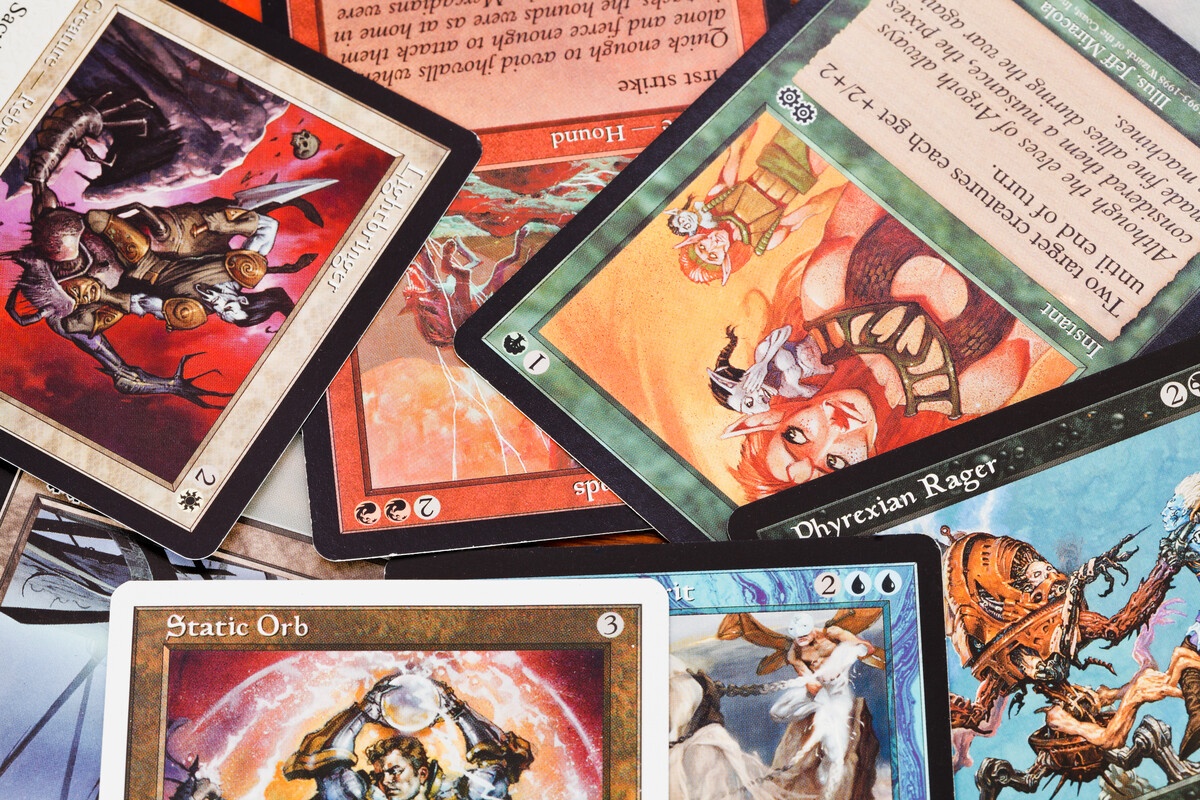
In 1993, Richard Garfield, a mathematician with a Ph.D. in combinatorial mathematics and a passion for game design, partnered with Peter Adkison and a small company called Wizards of the Coast to release Magic: The Gathering. It was the first trading card game ever published. Garfield designed a system where each card had unique abilities, costs, and interactions. Players built personalized decks from their own collections to compete against each other. The mana system, color identity, creature types, flavor text, and the sheer range of game mechanics packed into the original setting made Magic unlike anything that existed in the world of traditional card games or board games.
However, what made Magic: The Gathering work was not just the gameplay. It was the distribution model. Cards were sold in randomized booster packs, meaning every pack was a gamble. Some cards were common, others were rare, and the rarity levels created a secondary market almost overnight. Players who pulled powerful or scarce cards could trade or sell them, and players who needed specific cards for their deck had to hunt or buy. This loop of opening, collecting, trading, and building decks created an economic ecosystem that nothing in the hobby space had seen before. The success of MTG proved that a collectible card game could sustain both competitive play and a thriving collector market at the same time.
As a result, Wizards of the Coast went from a small outfit operating out of Peter Adkison's basement to a major force in the tabletop industry within months. The initial print runs sold out almost immediately. Game stores could not keep product on shelves. Expansion after expansion followed, each one adding new mechanics, new strategies, and new reasons to keep buying cards. Magic: The Gathering did not just succeed. It invented an entirely new category and paved the way for every collectible card game that followed.
The 1990s Boom: CCGs Flood the Market
The success of MTG triggered a gold rush. Throughout the mid and late 1990s, dozens of companies launched their own collectible card games, hoping to capture even a fraction of what Magic had built. Some were based on original settings with their own lore and strategic depth. Others were licensed from existing media franchises, banking on brand recognition to sell booster packs. The market was overflowing with CCGs, each one chasing the same audience.
Still, most of them failed. Titles like Decipher's Star Wars Customizable Card Game, the Legend of the Five Rings, and Vampire: The Eternal Struggle found dedicated fanbases, but none approached the commercial scale of Magic: The Gathering. The Star Wars CCG was actually the second most popular CCG in the world at its peak, with over 40,000 active tournament players and deep strategic gameplay that earned genuine respect from the competitive community. It ultimately ended not because of design shortcomings, but because Lucasfilm chose not to renew Decipher's license. The game's fanbase was dedicated enough to keep it alive through a player-run organization that has maintained it since 2001. The Legend of the Five Rings, on the other hand, was praised for its storytelling and player-driven narrative, where tournament results actually influenced the game's lore. It earned a devoted community that kept the game alive for over two decades before Fantasy Flight Games eventually acquired and relaunched it.
The problem for most 1990s CCGs was straightforward. Magic had already set the bar for game mechanics and strategic gameplay, and most imitators could not match it. Players who were already invested in MTG had little reason to split their time and money across multiple products. The market corrected hard, and by the late 1990s the landscape was littered with discontinued titles and unsold inventory. But the releases that survived this period came out stronger, and the stage was being set for a new wave driven by something Magic never had: television.
Pokémon: The Trading Card Game That Went Global
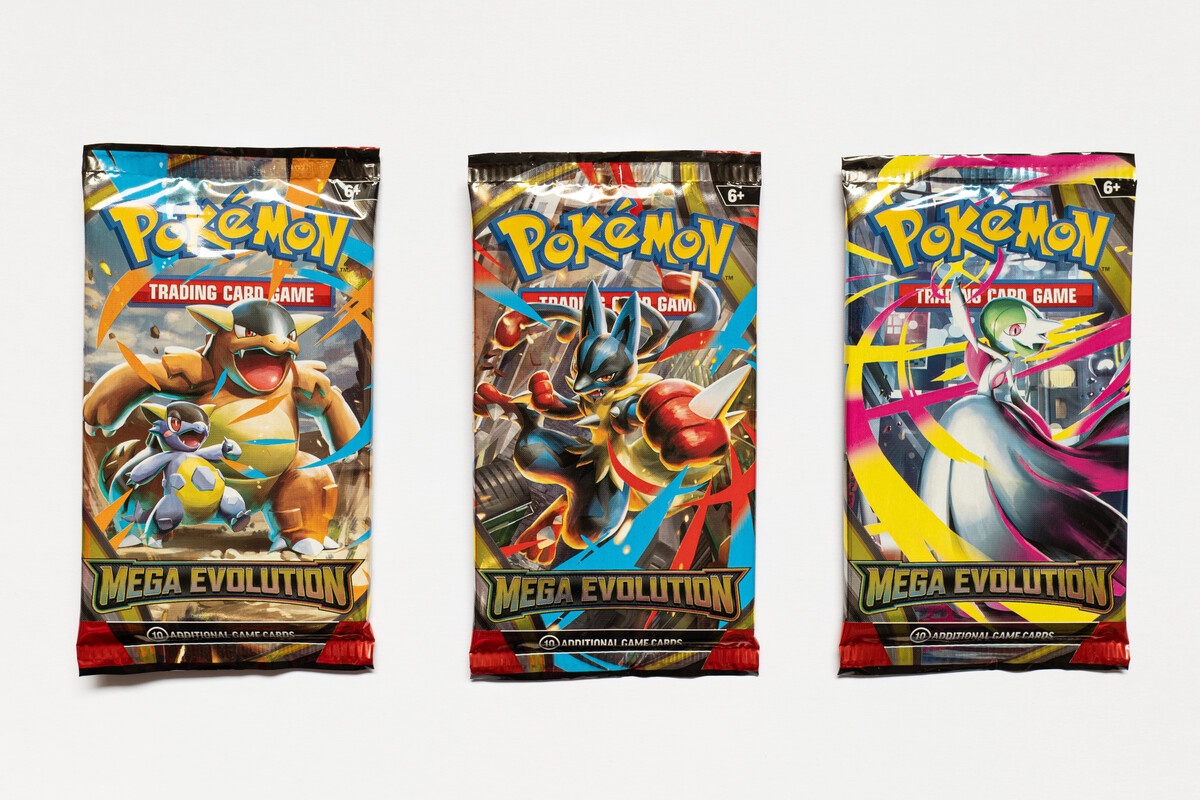
In 1996, the Pokémon trading card game launched in Japan, developed by Creatures Inc. and published in Japan by Media Factory in partnership with Nintendo. When it arrived in North America in 1999 through Wizards of the Coast, it did not just enter the market. It took over. Pokémon was already a cultural force thanks to the video game series on Game Boy and the wildly popular anime. The cards gave millions of children a physical, tactile way to engage with characters they already loved.
Importantly, the Pokémon TCG was deliberately simpler than Magic. Younger players could learn the rules quickly, build a deck, and start competing without the steep learning curve that kept some people away from MTG. But that simplicity did not mean the product lacked depth. Competitive Pokémon play developed its own metagame, with deck-building strategies, energy management, and evolution mechanics that rewarded careful planning. The collectible side was equally strong. Every new expansion featured beloved characters in new artwork, and rare cards became playground currency almost overnight.
What made the Pokémon trading card game historically significant was its scale. This was the first TCG to cross into mainstream pop culture on a global level. Parents who had never heard of Magic: The Gathering were buying booster packs for their kids at grocery stores. The product proved that a trading card game did not need to target hardcore tabletop enthusiasts to succeed. It could reach everyone. Pokémon remains the best-selling trading card game in the world, and the recent launch of TCG Pocket as a digital experience on mobile devices proved the brand still knows how to pull in new audiences.
Yu-Gi-Oh! and the Anime-Driven TCG Era
Pokémon showed that a media franchise could supercharge a trading card game. Naturally, Yu-Gi-Oh! took that lesson further. Yu-Gi-Oh! launched in Japan in 1999 and hit North America in 2002, riding the popularity of its anime series. The show was literally about dueling with cards. Characters battled each other using the same products fans could buy in stores, and that direct connection between the anime and the physical release created a marketing loop that was hard to beat.
Mechanically, Yu-Gi-Oh! set itself apart from both Magic and Pokémon by removing the resource system entirely. There was no mana, no energy. Players could summon monsters and activate spells and traps without building up resources over multiple turns, which made the game fast, aggressive, and combo-heavy. A single turn could involve chaining a dozen card effects together to clear the opponent's board and deal massive damage. That speed appealed to players who wanted immediate action and rewarded those who mastered the dense interaction layer.
Konami, the publisher, kept things alive through constant expansion releases that shifted the competitive metagame regularly. Yu-Gi-Oh! also maintained one of the most active secondary markets in the hobby, with certain chase pulls consistently commanding high prices. The franchise proved that anime could serve as a permanent growth engine for a TCG, a model that later titles would try to replicate. Between the show, the physical product, and the video game adaptations, Yu-Gi-Oh! became one of the top three TCGs in the world and has held that spot for over two decades.
Digital Card Games and the Crossover Era
The 2010s brought a new competitor to physical card games: the digital collectible card game. Blizzard's Hearthstone launched in 2014 and showed that the core appeal of TCGs, deck construction, strategic gameplay, collectible progression, could work on screens just as well. Hearthstone pulled in millions of players who had never touched a physical product, and it generated enormous revenue through digital packs. The game leaned into the accessibility of digital platforms while borrowing heavily from the mana system and creature combat that Magic: The Gathering had pioneered.
Predictably, other digital titles followed. The Elder Scrolls: Legends, Gwent, Legends of Runeterra, and others all competed for the same audience. The World of Warcraft TCG, which had existed as a physical game years before Hearthstone, served as proof that franchise-to-digital adaptation could work. Meanwhile, MTG Arena launched as the official digital answer to this market, bringing the full complexity of Magic to a free-to-play client.
Beyond the competition, the digital era raised a real question about what a trading card game actually is. In physical formats, you own your cards. You can trade them, sell them, display them. In most digital CCGs, your collection exists only on a server. But the strategic depth and deck-building satisfaction translated regardless of medium. The digital boom did not replace physical products, and the ongoing digital vs physical trading card games debate continues to shape how people engage with the hobby. It grew the total audience. Many players who started on Hearthstone or MTG Arena eventually found their way to local game stores and physical tables. The two formats fed each other rather than competing, and the overall market got bigger because of it.
The Modern TCG Renaissance: 2020 to Present
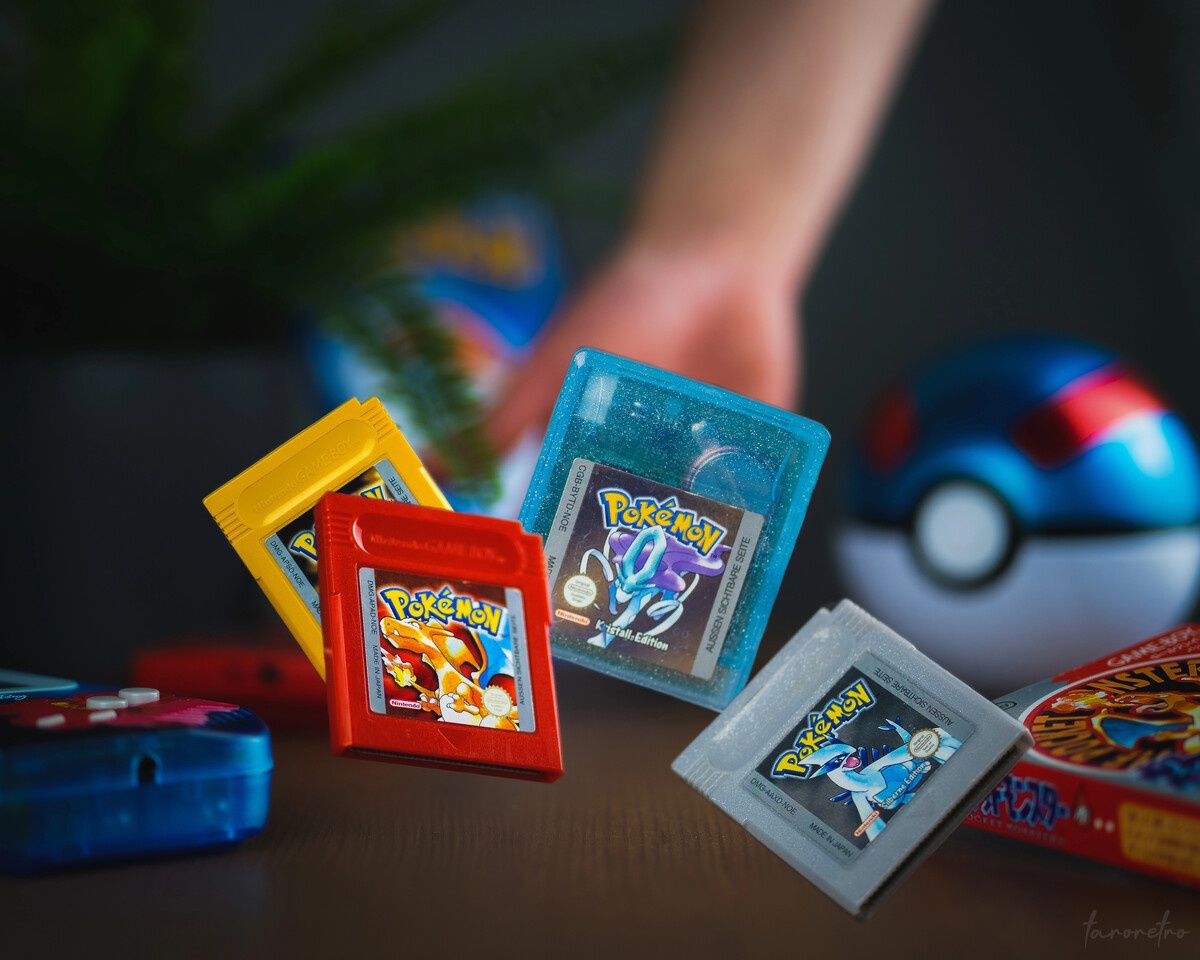
The early 2020s kicked off a period of rapid growth for trading card games. The pandemic lockdowns of 2020 and 2021 drove a wave of nostalgia-fueled collecting, with Pokémon cards becoming one of the most visible symbols of the collectibles boom. Prices for vintage and rare cards hit record highs. Sealed product became nearly impossible to find at retail. The mainstream media covered the frenzy extensively, and millions of lapsed collectors returned to the hobby or discovered it for the first time.
But the real story of the modern era is not the speculation bubble. It is the number of new TCGs entering the market and actually finding sustained success. This is the first time since the 1990s that multiple new titles have launched and thrived rather than flaming out after a few sets. The difference between now and the 1990s CCG boom is that today's new entrants tend to have stronger design, better production values, and established media franchises behind them. The appeal of TCGs has not been this broad before.
Flesh and Blood, created by Legend Story Studios and launched in 2019, was one of the first signals that the modern market could support ambitious new titles. Designed from the ground up for competitive play, Flesh and Blood focused on strategic depth, tight mechanics, and a player-first competitive ecosystem. It found its audience among players who wanted something fresh and mechanically distinct from the big three. The emphasis on limited print runs and premium product quality gave it a collector appeal that complemented the competitive side.
Disney Lorcana arrived in 2023, published by Ravensburger, and proved that a brand-new TCG could generate massive demand on day one. The combination of Disney's brand power, strong card artwork, and accessible design brought in waves of players who had never touched a collectible card game. Lorcana showed that the format still had room to grow by reaching demographics that traditional card games had not served well.
The One Piece card game, published by Bandai, launched globally in late 2022, just months before Lorcana, and caught the entire hobby off guard with its rapid growth. Fueled by the surging global popularity of the One Piece series and manga, plus the Netflix live-action adaptation, the product found crossover appeal between fans and collectors alike. Booster packs sold out consistently, and the competitive scene grew faster than anyone expected for a brand-new title.
Star Wars: Unlimited, developed by Fantasy Flight Games and launched in 2024, brought one of the most recognizable media franchises in history into the modern TCG space. The game was designed to be accessible to newcomers while offering enough depth to sustain competitive play. The Star Wars brand has a long history in this space, going back to the Decipher CCG of the 1990s and the later Star Wars TCG, but Unlimited was a fresh start built on modern design principles.
The Gundam title from Bandai and the Dragon Ball Super Card Game also contributed to the current wave, alongside digital-physical hybrid experiences like Pokémon TCG Pocket, Digimon releases, and the Lord of the Rings living card game from Fantasy Flight. The modern era is defined by variety. Players and collectors can choose from dozens of active titles across different genres, complexity levels, and franchise affiliations. Ten years ago, that kind of selection was not on the table.
What Made TCGs Endure: The Psychology and Design Behind the Hobby
Release dates and sales figures only tell part of this story. TCGs have endured for over 30 years while countless other entertainment products have come and gone. The reasons come down to a few things that every successful title has in common.
For one, the deck-building process itself is a form of creative expression. When you construct a deck, you are making hundreds of decisions about strategy, synergy, risk tolerance, and personal style. No two players build the same deck the same way, and that individuality keeps the experience fresh in ways that static board games or video games with fixed rulesets cannot match. Construction is where the strategic gameplay actually begins, long before a single card hits the table.
Then there is the randomized booster pack model, which creates a collecting experience that has hooked people for over a century. The brief history of this hobby shows that every era, from 1800s trade cards to modern Pokémon sets, has relied on the pull of not knowing exactly what you will get. Rarity levels, chase cards, alternate art prints, and limited promos keep collectors engaged across every expansion. That unpredictability is baked into the hobby's DNA.
And the social dimension matters more than people give it credit for. TCGs are played face to face. They happen at kitchen tables, at local game stores, at regional tournaments and world championships. The community that forms around a title is often what keeps players invested long after the novelty of the cards themselves has worn off. Game stores serve as gathering points for this community, and the health of the local store ecosystem is directly tied to the health of the hobby.
Looking Ahead: The Future of Trading Card Games
More TCG titles are active and commercially healthy right now than at any previous point. Production quality has gone up across the board. Competitive play infrastructure, from organized play programs to streaming coverage, has professionalized in ways that would have seemed unlikely in the early days of Magic. The collector market has matured into a serious secondary economy with grading services, price tracking tools, and global reach.
Nobody seriously asks whether TCGs will survive anymore. The better question is how much bigger the hobby can get, and the future of trading card games depends on the same forces that shaped their past. Digital platforms continue to lower the barrier to entry. New brands keep bringing fresh audiences to the table. And the core loop that made trade cards compelling in the 1800s, the one where you collect, swap, and chase the ones you are missing, is the same loop that keeps millions of people opening booster packs today. The format works. It has worked since the 1800s, and nothing about that is changing.