Fake cards ruin the TCD hobby. Here's 3 simple steps beginners can take to protect themselves
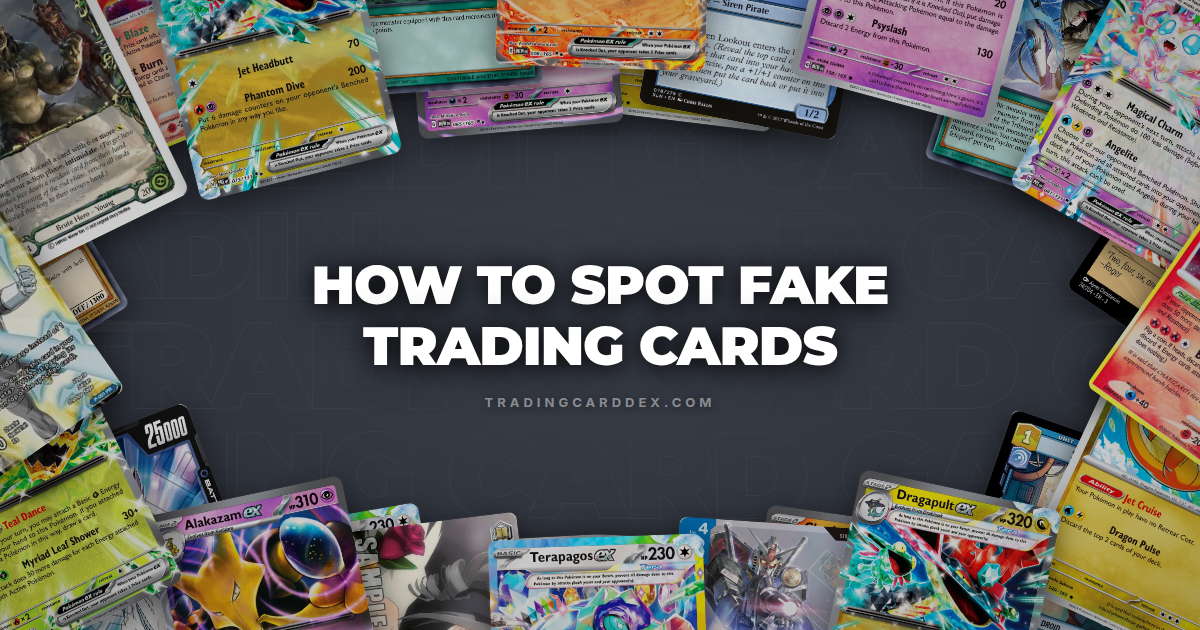
Counterfeit trading cards have gotten good enough to fool experienced collectors, and they're flooding every marketplace from eBay to local card shows. Spotting fakes is genuinely an art unto itself, with advanced techniques that seasoned dealers spend years mastering. This article is not that. This is the stupidity tax filter, the three dead giveaways that catch the obvious fakes before you hand over your money. Think of these as your first line of protection, not a bulletproof vest. They won't catch every counterfeit, but they will catch the ones that prey on beginners who haven't learned to look.
If it's too good to be true, it probably is
With that context in mind, the single easiest way to tell whether you're looking at a fake card or a real one requires nothing beyond common sense. Counterfeit trading cards almost always enter the market through deals that look suspiciously generous. A PSA 10 Charizard for twenty dollars. A first-edition Base Set holo at a fraction of market value, and if you understand why trading cards are expensive, you know these prices make no sense. A lot of rares at prices that would make any experienced collector stop scrolling.
More specifically, scammers typically rely on urgency and greed. The listing says "priced to sell fast" or "moving collection, everything must go." The photos are just good enough. The price sits just low enough that your brain starts rationalizing, maybe the seller doesn't know what they have, maybe it's an estate sale, maybe you're about to get lucky. That thought process is exactly what the seller is counting on. Counterfeit sports cards and fake Pokemon cards flood online marketplaces daily, and sellers know that a low enough price overrides skepticism.
So here's what to do. Before you buy any card worth more than a trivial amount, check the market value. Use a card database like Trading Card Dex, check recent sold listings, look at what that specific card from the same set actually trades for in verified condition. If the listing price is dramatically below every comparable sale, you are not getting a deal. You are being sold a fake. This holds for vintage cards, modern chase pulls, and everything between. Real cards have real market prices, and sellers who own authentic cards know what they're worth.
Beyond individual cards, price is also the best filter for bulk counterfeits. Many fake cards are printed in volume by operations selling hundreds or thousands of units at once. These are the listings you see on eBay or at flea markets offering massive lots of rares and holos at a fraction of what a single genuine card in the lot would cost. The math on these lots never works out. Think about it: why would anyone sell a collection of valuable cards for less than a single card in it is worth? When the numbers don't add up, the cards aren't real.
Check the seller's reputation
Once the price passes the smell test, the second dead giveaway has nothing to do with the card. It's about who is selling it. Where you buy cards matters as much as what you're buying, and a few minutes evaluating the seller will save you from the vast majority of scams involving counterfeit cards.
Buy from trusted sources whenever possible. A local game store with a physical location and a reputation to protect depends on repeat business. Those shops inspect inventory. They know what a fake card looks like because their livelihood depends on selling genuine cards. The same goes for established online retailers and verified sellers on major platforms with long track records and hundreds of positive reviews. Trusted sources have something to lose, and that self-interest works in your favor.
On the other hand, the risk climbs fast when you move away from those anchors. Random sellers on eBay with new accounts, zero feedback, and stock photos are red flags. Marketplace listings on Facebook or Instagram with no verification, no return policy, and prices that undercut every legitimate seller should trigger immediate skepticism. Not every small seller is running a scam, but you need to do more homework before handing over money. Check review history. Look at the seller's other listings. Read return policies carefully. If a seller won't accept returns on cards claimed to be authentic, ask yourself why.
Unfortunately, online marketplaces are where the problem hits hardest. The sheer volume of listings makes enforcement nearly impossible, and platforms like eBay face well-documented challenges in policing counterfeit cards at scale. Counterfeits often come with professional-looking listings, sometimes even stolen photos of real cards. The card you receive is not the card in the picture. A seller with a short history, generic product photos, and aggressive pricing is a pattern repeated across every platform where cards are sold. Recognizing that pattern is one of the most effective ways to avoid buying fakes.
Even so, reputable platforms still get gamed. Scammers sometimes build a handful of positive reviews on cheap transactions before listing high-value counterfeits. The strategy is to look legitimate long enough to cash out. Reputation matters, but it should be weighed alongside the other two tests. No single check is enough on its own. When the seller checks out, the price makes sense, and the card looks right, you can buy with reasonable confidence. When all three feel off at the same time, you already know the answer.
The card itself looks or feels wrong
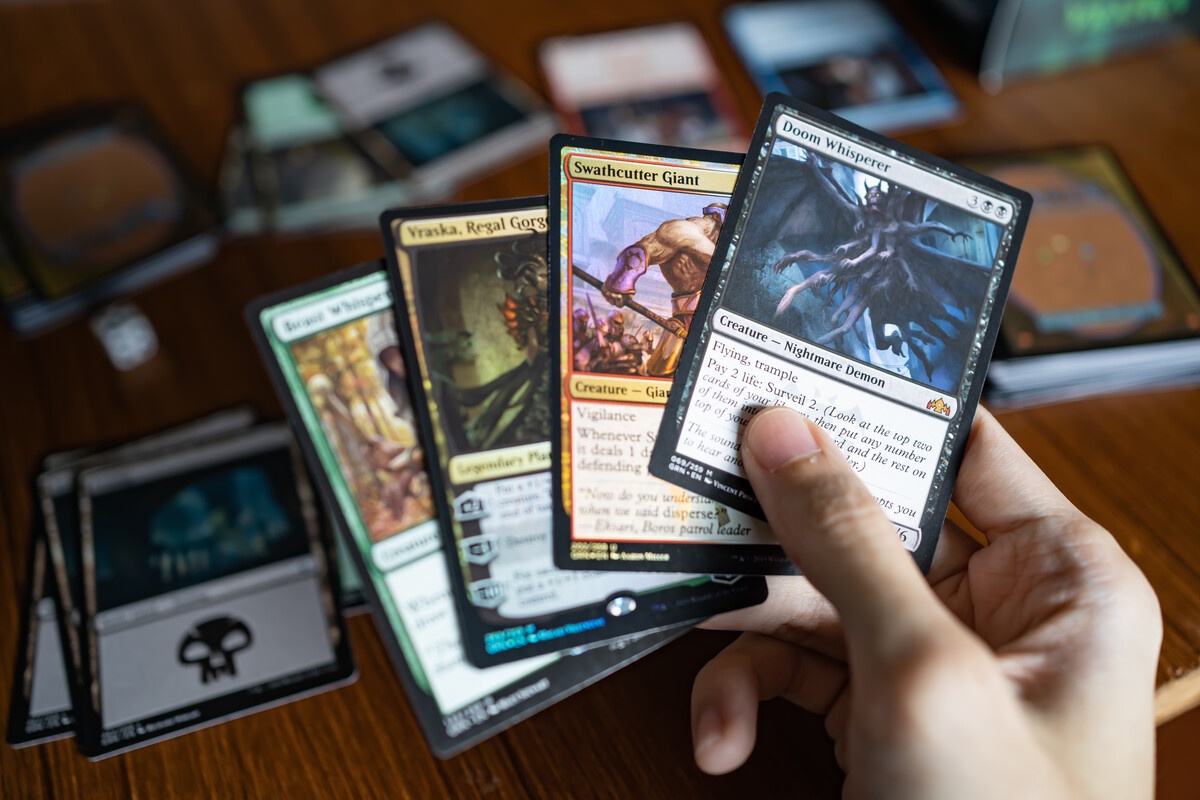
Now for the test that catches what the first two miss. This is the physical test, and it's what most people picture when they hear "spot a counterfeit." The card's weight, texture, colors, and print quality tell you more than almost anything else. A trained eye catches a likely fake in seconds. Even without experience, certain things jump out once you know where to look. And unlike price or seller reputation, this test works whether you're buying online, browsing at flea markets, or picking through a bin at a card show.
Start with the card stock. Authentic trading cards, whether a Pokemon card, a baseball card, or anything from a major TCG publisher, are printed on proprietary cardstock with a specific weight, thickness, and flexibility. Counterfeits often feel wrong the moment you pick them up. Cards often feel thinner, flimsier, or sometimes oddly rigid compared to a real card from the same set. If you have a card from the same set that you know is authentic, hold them together. Genuine cards have a particular snap when you flex them lightly. Fakes either bend too easily or resist too much. That tactile difference registers fast, sometimes before you've even looked closely at the front.
Next, look at print quality. Counterfeits often have color differences that become obvious next to authentic cards. Blues slightly too dark. Yellows washed out. Holographic patterns on fake cards frequently look flat, overly shiny, or patterned wrong. Text and font issues are another giveaway. On a real Pokemon card, the text is crisp and evenly sized. On a fake, letters might be slightly blurry, unevenly spaced, or set in a font weight that doesn't match official releases. The card looks off in ways that are hard to name until you hold a genuine card next to it, and then the difference is unmistakable.
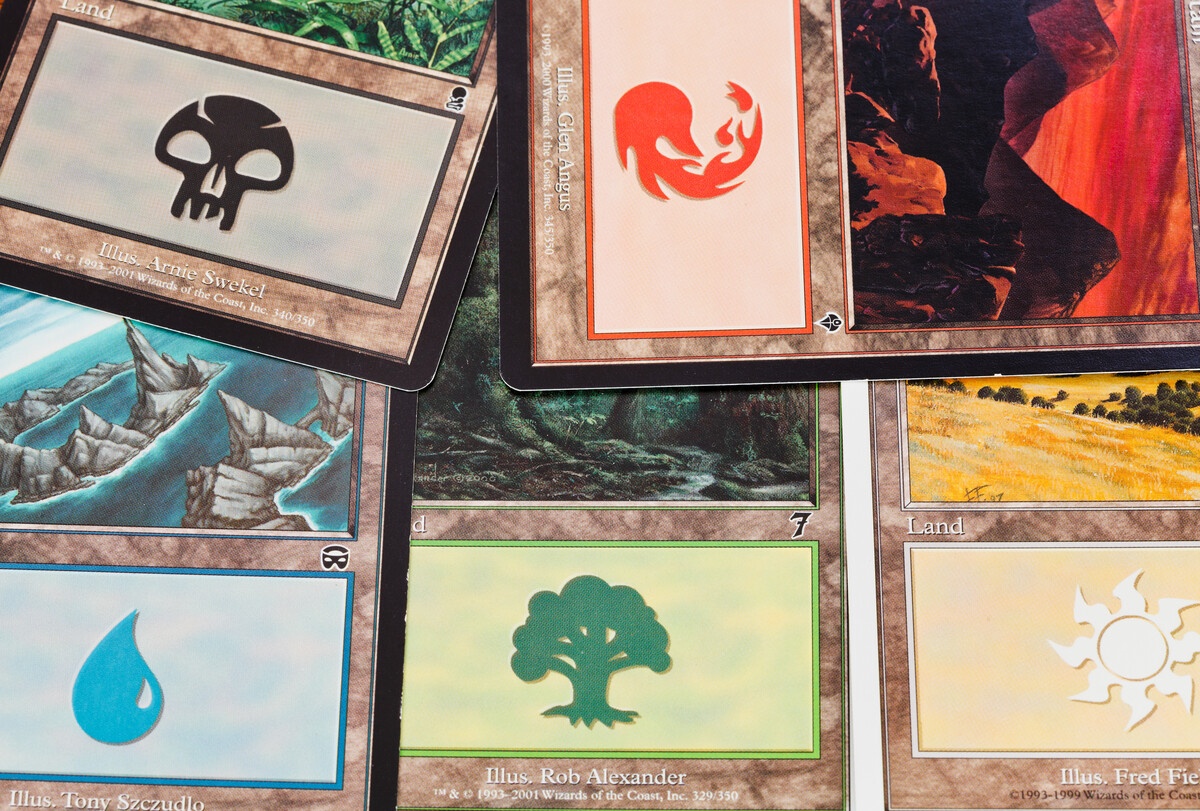
Along with the front, the back of the card is one of the most reliable places to check. Card manufacturers are extremely consistent with card back design across entire sets. The color, the pattern, the centering, all standardized. Counterfeits often get the card back wrong. The blue on a fake Pokemon card back might be a shade off. The Pokeball graphic might be slightly off-center. The pattern edges might not align the way they do on authentic prints. Flip a suspicious card over and compare it to any real card from the same era. Misalignment or color deviation on the card back is one of the clearest signs to look for.
Finally, for anyone willing to go one step further, the light test is the simplest tool-free check available. Hold the card up to a bright light source, but know that this test works differently depending on the card game. Pokemon cards have a black core layer that blocks most light. If light bleeds through easily or you can see the outline of your fingers, the card is likely fake. Magic: The Gathering cards work the opposite way. Real MTG cards have a blue core layer that produces a distinctive blue glow when held up to light. If an MTG card is completely opaque or lets light through without that blue tint, something is wrong. Note that this test is unreliable on foil or holographic cards regardless of the game, since the foil layer changes how light passes through. For standard non-foil cards, though, this takes two seconds and catches a surprising number of fakes that look passable to the naked eye.
And one more thing at the physical level: watch for signs of reseal on sealed product. Counterfeits don't only show up as loose cards. Entire packs and boxes get resealed after valuable cards are removed and replaced with fakes or bulk. Uneven shrink wrap, glue residue on pack seams, wrapping that doesn't match official packaging. Resealed product seen on eBay and at flea markets is a known vector for counterfeit cards entering collections. If the packaging shows any signs of tampering, walk away. There are many fake cards circulating inside resealed product that would otherwise pass a visual inspection, because the cards that could fool you were specifically chosen to replace what was pulled.
How to detect fake cards: putting it all together
So how does this all work in practice? These three checks cover the three stages of every transaction. Before you look at the card, price tells you whether the deal makes sense. Before the card ships, the seller's reputation tells you whether the source is credible. When the card arrives, or when you're holding it at a show or a local game store, the physical card tells you whether the product matches the claim.
Most people who get burned by counterfeits skip at least one step. They see a price they can't resist, buy from an unverified seller, and never closely inspect what arrives. Each test independently catches a large percentage of fakes. Together they catch nearly all of them. You don't need a loupe or magnification equipment for the majority of counterfeits. You need discipline and a framework.
For high-value purchases, professional card grading remains the gold standard. Companies like PSA, BGS, and CGC authenticate and grade cards using advanced techniques and trained evaluators. If you're spending hundreds or thousands on a single card, grading evaluates the condition of the card and provides certainty that no personal inspection can fully match. But for everyday buying, for the cards that could be real or fake in a ten-dollar eBay listing or a twenty-dollar lot at a flea market, these three tests are the practical line of defense.
How can you tell if your card is real? Check what it should cost, check who's selling it, and check the card itself. If all three line up, you're almost certainly holding an authentic card. If any one raises a flag, slow down. Counterfeits are getting better every year. The printing quality improves, the listings get more convincing, the sellers get more sophisticated. But the fundamentals haven't changed. Real cards cost real money, come from real sellers, and feel like real cards. Authentic cards usually carry the weight, print quality, and pricing consistency that counterfeits cannot replicate across all three at once. Fakes fail at least one of those tests. Usually more than one.
The trading card market has more counterfeit product circulating today than at any point in its history, which makes understanding the difference between card investors and collectors even more important. Vintage sports cards, real Pokemon cards, modern chase rares from every major set, all counterfeited at scale. Spotting them doesn't require expertise. It requires paying attention. Price, seller, card. If something feels wrong after running those checks, trust that feeling.