Same card. Same price. Same day. Five years later one person is devastated and the other is thriving. The difference comes down to one thing.
Two people buy the exact same card on the exact same day for the exact same price. Five years later, one of them considers it the best purchase of their life and the other considers it the worst. The only difference between them is which side of the trading card investors vs collectors divide they fell on. So which side actually wins in the long run?
The Core Difference Between a Card Investor and a Card Collector
On the surface, the difference seems obvious. An investor buys cards to make money. A collector buys cards because they love them. But the reality is messier than that, and most people in the card hobby exist somewhere on a spectrum between the two. The investor looks at a rookie card and sees a financial instrument. The calculation involves card condition, population reports, and where the sports trading card market is headed over the next six months. A collector looks at that same rookie card and feels something. Maybe it's nostalgia. Maybe it's the art, or a connection to a player or a moment that carried real meaning.
But the real distinction comes down to what happens when the card's value drops. A collector shrugs and keeps the card in their personal collection because that was never the point. An investor panics, sells at a loss, or holds and stresses. This tension runs through the entire trading card market right now. It affects everyone, from the person cracking a pack of cards at their kitchen table to the person running spreadsheets on card prices across multiple grading services.
Here's where it gets complicated, though. Collectors and investors aren't always different people. Someone can love a card and also appreciate that it's worth something. The problem starts when the investment mindset takes over completely, and suddenly every single card in a collection gets evaluated purely by what it could sell for. That's when the joy starts to drain out, and it has happened to too many people in this hobby to ignore.
The Sports Card Market When Everyone Becomes an Investor
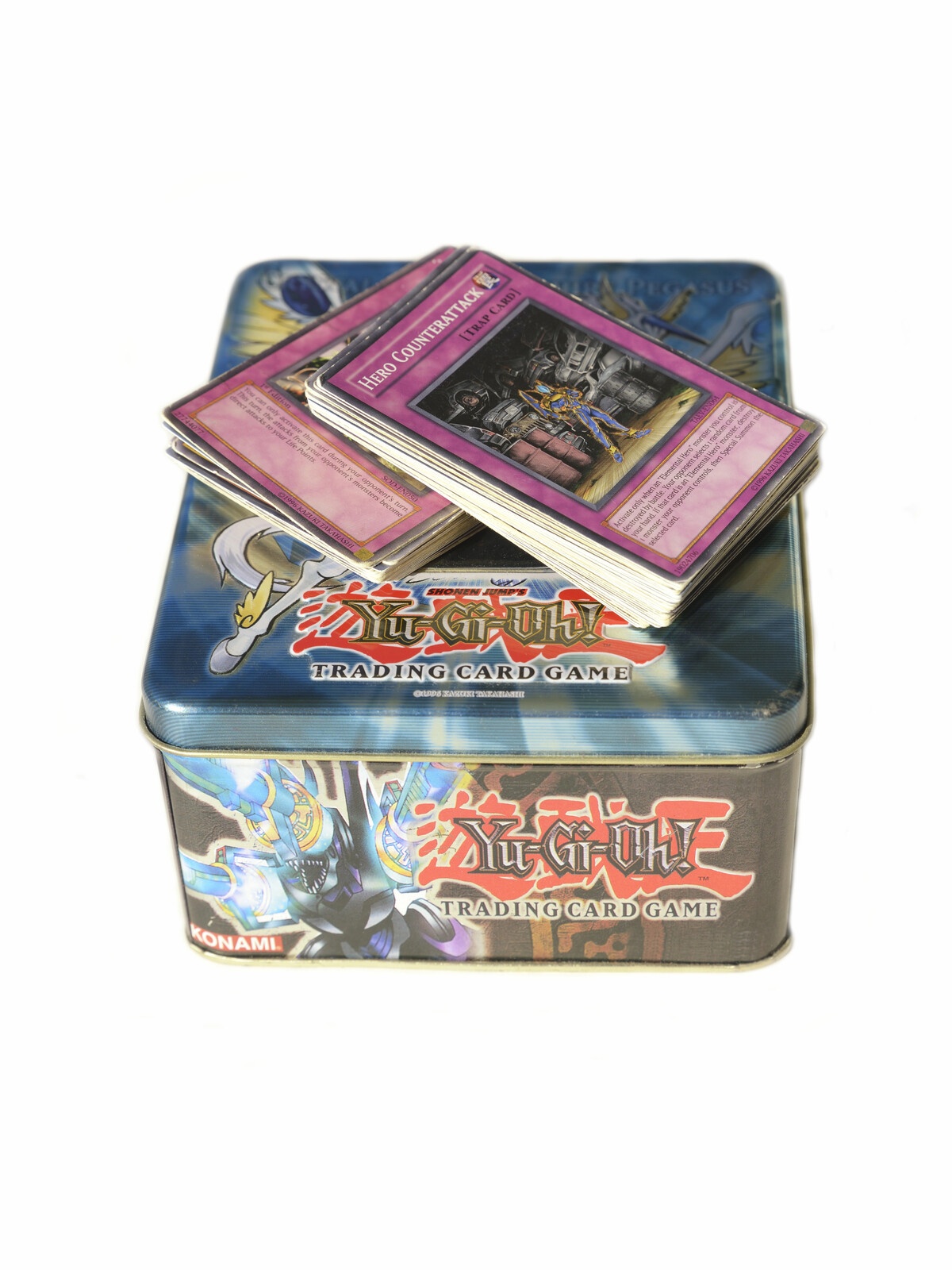
The years 2020 and 2021 tell the story clearly. The sports card market went absolutely nuclear. Everyone and their cousin was buying sports trading cards, flipping them, and posting profits on social media. Card investing became the hot new thing. People who had never collected a day in their life were suddenly experts on which rookie was going to pop next. Hobby boxes that used to sit on shelves were getting bought out in minutes. The overall card market felt unstoppable, and nobody wanted to get left behind.
Here's what actually happened, though. When a flood of investors enters any market, the card market included, prices inflate beyond what the underlying asset is worth. A modern rookie card that had no business being a $500 card was suddenly trading at $500 because everyone assumed someone else would pay $600 next week. That's not investing in trading cards. That's speculation, and speculation always ends the same way.
Still, the sports card investing wave brought a lot of money into the hobby, and that part was genuinely good. Card companies put out better products. New grading services popped up to handle demand. Local card shops that had been struggling suddenly had lines out the door, and the hobby had more visibility than it had in years. But the wave also warped the culture of card collecting in ways that are still being felt today. When every conversation at a card show starts with "what's that worth?" instead of "that's awesome, where'd you find it?", something has shifted in a direction that doesn't feel great.
How Card Investing Actually Works (And Why Most People Get It Wrong)
Serious card investing looks nothing like what most people think. The people who consistently make money in the trading card market aren't the ones chasing the latest hype rookie. They understand card values at a fundamental level, they know how to grade cards properly, and they have the patience to hold for years instead of weeks.
So where does grading fit in? It's at the center of any real card investing strategy. When you grade a card through PSA or another professional sports authenticator, you get an objective assessment of that card's condition. A PSA 10 of a desirable card is worth multiples of the same card in raw, ungraded form. This is where the investor mindset can actually be useful. Knowing what makes a card gradeable, spotting the difference between a 9 and a 10, evaluating card condition before buying, these are genuinely valuable skills. The problem is that too many people grade cards expecting every submission to come back a 10, and then they're stuck with a PSA 8 that cost them more to grade than the card is actually worth.
What most people miss, though, is that real card investing means understanding supply and demand. Vintage cards from the 1950s and 1960s tend to appreciate in value over time because the supply is fixed and shrinking. Those cards aren't being made anymore, and the ones that exist are slowly getting damaged, lost, or locked away in collections that will never hit the market. Compare that to modern cards where print runs are enormous and everyone keeps them in pristine condition. When you look at entire card sets from the vintage era, even the commons hold value because so few survived in good shape. The math is completely different, and most new investors in the trading card space don't understand that distinction.
And yet, the investors who do well treat it like actual investing. They diversify across different types of cards, different sports, and different eras. They have a clear thesis for why they're buying something and a timeline for when they expect to see returns. They're not panic-selling when the market dips, and they're not FOMO-buying when a player has one good game. If that sounds boring compared to the thrill of ripping packs, that's kind of the point.
Building a Collection vs Building a Portfolio
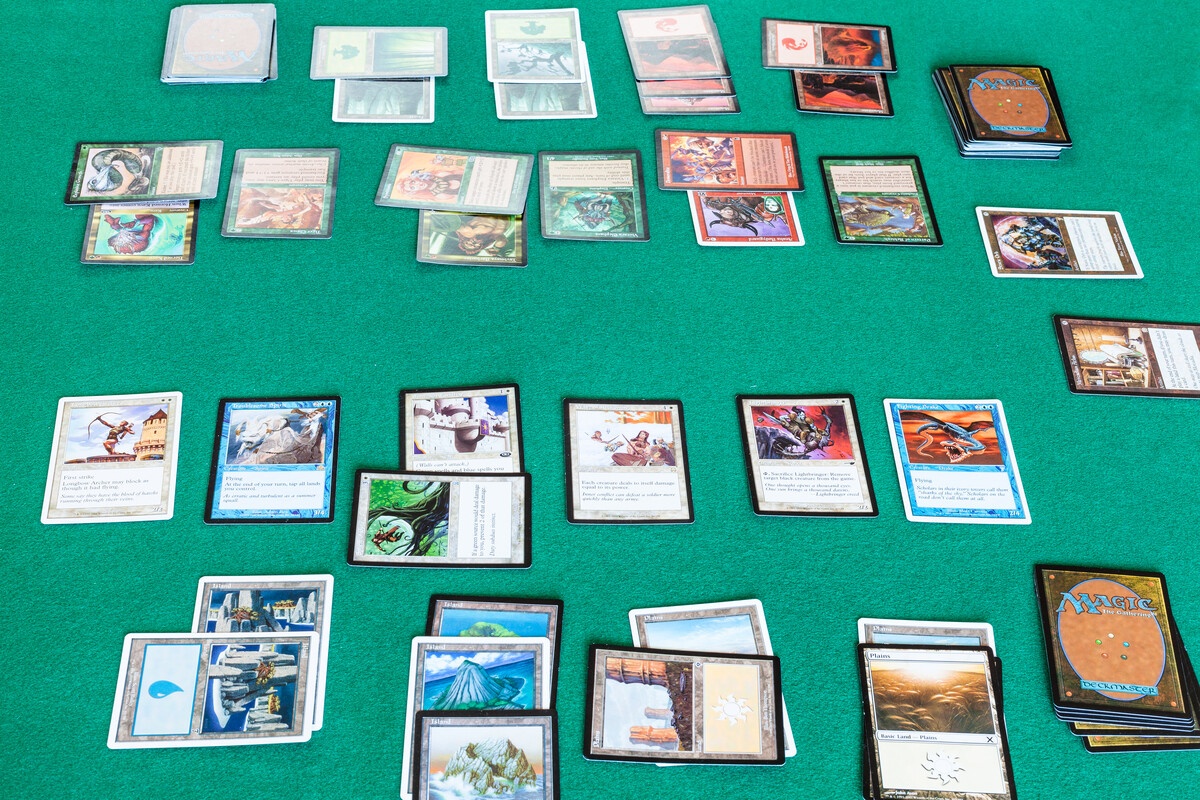
There's a beautiful simplicity to building a collection. You decide what you love, whether that's a specific player, a certain set, a particular era, or a type of card you can't get enough of, and you chase it. Maybe you're trying to complete all the cards in the set from your favorite year. Maybe you're hunting down every rookie card of your favorite athlete. Or maybe the draw is pokemon card art and every illustration by a specific artist needs to be tracked down. The goal is personal, the journey is the reward, and the collection you end up with tells a story.
On the other hand, building a portfolio looks different. It's clinical. You buy single cards based on data, not emotion. You track card prices across platforms. You look at what's selling cards fastest and at what margins, and you think about buying single cards at the right entry point and selling cards at the right exit. There's nothing wrong with this approach, but honesty about what it is matters. It's a business. And when you treat the card hobby purely as a business, you lose the thing that makes it special in the first place.
Consider this. The pattern is common at card shows: people who started as collectors, got bitten by the investing bug, and slowly watched their personal collection turn into inventory. Cards that used to sit in a binder and bring joy now sit in a safe and cause anxiety. Every market dip feels personal. Every PSA submission is stressful. The autographed cards pulled from hobby boxes don't bring a smile anymore. The reflex is to check the value of a card on eBay instead.
Meanwhile, the collectors who are happiest set a budget, buy what they love, know how to spot fakes, and don't obsess over market value. They go to the local card shop on the weekend, chat with other card collectors, maybe grab a pack of cards for fun, and go home satisfied regardless of what they pulled. That's the energy this hobby was built on, and it sustains long after the investors move on to the next thing.
What Happens When Investors Leave the Trading Card Market
This is the part nobody likes to talk about, but it matters for anyone trying to understand where the sports card market is headed. Investors are temporary participants by nature. They go where returns are. When the card market was hot, they flooded in. As returns cooled off, many of them left. Some moved to crypto. Others went to sneakers or other sports collectibles. The ones who stayed tend to be the ones who discovered they actually liked collecting, which tells you something.
The reality is simple. When investors leave in large numbers, card prices drop. That's just supply and demand. Suddenly there are more people trying to sell cards than buy them, the value of cards corrects, and prices settle back down. This played out across the overall card market starting in late 2021 and running through 2022 into 2023. Cards that had been trading at insane premiums came back down to earth. Investors saw it as a catastrophe. Collectors saw it as a sale.
This is one of the most important dynamics in the world of trading cards. Collectors provide the floor. They will always buy and sell cards in the hobby because they genuinely love it. They collect sports cards because it brings them happiness, not because they're hoping for a return. When investors disappear, collectors are still there, going to card shows, visiting the card shop, trading with friends. The hobby survives because of them.
Then again, the sports card market has gone through boom and bust cycles before. The junk wax era of the late 1980s and early 1990s showed what happens when overproduction meets speculation. Millions of baseball card products were printed, everyone kept them thinking they'd be worth a fortune, and most ended up being worth less than the cardboard they were printed on. The lesson was clear, but apparently it needed to be learned again.
Pokémon Cards, TCG Products, and the New Wave of Collecting
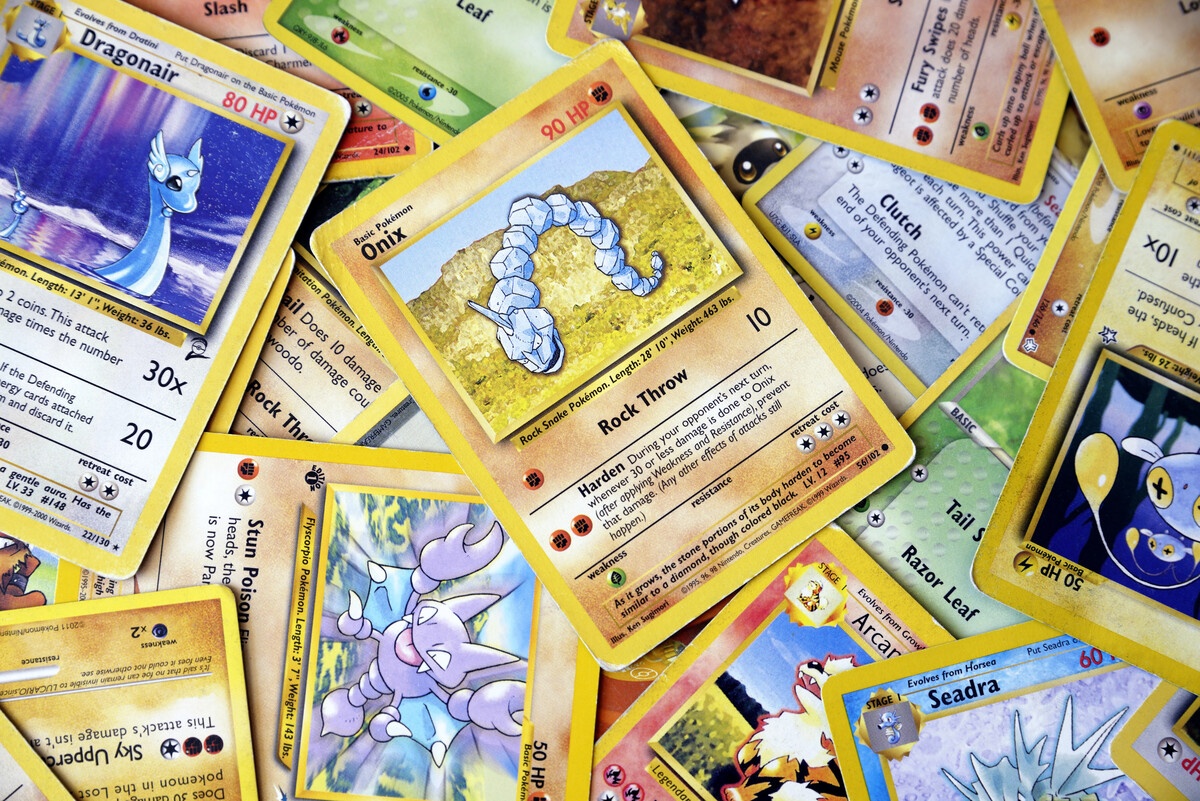
It would be wrong to only talk about the sports trading card side of things. The pokemon card market has gone through its own version of this investor vs collector dynamic, and in some ways it's been even more dramatic. When pokemon card collecting exploded again around 2020, driven partly by nostalgia and partly by high-profile influencers opening vintage packs on stream, prices went stratospheric. A first edition charizard card became the poster child for trading card game speculation, with prices reaching six figures.
But here's where it gets interesting. The TCG space broadly, including pokemon and other trading card game products, has a unique relationship with the investor vs collector question. Trading card games are designed to be played. There's a built-in community of people who buy new cards because they want to build decks and compete. They're not thinking about flipping anything. This creates a different kind of floor compared to sports cards, because the functional demand for playable cards exists independently of the collectible market.
That said, the investment mindset has infiltrated TCG collecting too. People buy sealed product not to open it but to hold it as an asset, hoping it will increase in value. Card shops have to balance selling to players who want to actually use the cards versus investors who want to sit on sealed cases. It's a tension that exists across the entire trading card market, and it doesn't have an easy resolution.
The Grading Question: When Does It Make Sense to Grade a Card?
Grading sits right at the intersection of collecting and investing, so the question of when it actually makes sense deserves attention. The grading services, PSA chief among them, exist to authenticate and evaluate card condition on a standardized scale. The professional sports authenticator label adds both confidence and liquidity to a card. A graded card makes it easier to buy and sell cards because both parties know exactly what they're getting.
For investors, grading is essential. You can't seriously invest in a high-value card without knowing its grade, and you can't sell it for top dollar without that slab. For collectors, grading is more of a personal choice. Some people love the look of graded cards in their collection. Others hate the plastic cases and prefer to hold their cards raw. Neither approach is wrong, but the motivation behind grading reveals a lot about whether someone leans investor or collector.
So what's the honest assessment? It comes down to this: if a card is genuinely valuable and in excellent condition, grading protects it and confirms its worth. If the plan is grading a $5 modern card hoping it comes back a 10 and suddenly becomes worth $50, that's gambling more than investing. The cost to grade a card, plus shipping and wait times, means a meaningful expected return needs to exist to justify it. Too many people grade cards that have no business being submitted, and that's investor brain taking over rational thinking.
The Argument for Being a Collector First
After everything laid out above, the position here is clear: being a collector first is the way to go, and the reasoning is straightforward. The value over time of being a collector goes beyond dollars. It shows up in the relationships built at card shows, the thrill of finally finding that one card after a long hunt, the joy of opening a hobby box with friends. That personal connection to a card collection is something no portfolio spreadsheet can replicate.
When you're a collector who happens to be aware of the market, you get the best of both sides. You make smart purchases because you understand card values, but you don't agonize over every fluctuation. You might sell a duplicate to fund a new purchase, but you're not constantly calculating the worth of cards in your collection. You buy from the local card shop because you value the community, not because you're hunting for underpriced inventory.
And yet, the investors who last in this hobby are the ones who develop a genuine appreciation for the cards themselves. They start out as pure investors, but somewhere along the way, they hold a vintage card in their hands and feel something. They attend a card show and realize the best part wasn't the deals they found, it was the conversations they had. They open a pack of cards and discover that the rush of not knowing what's inside is its own reward, completely separate from the financial outcome.
The trading card hobby is big enough for both approaches. Collectors and investors can coexist, and in many ways they need each other. Investors bring liquidity and price discovery to the market, while collectors bring stability and culture. The healthiest version of the card market is one where both exist in balance, where sports card investing doesn't completely overshadow the simple pleasure of card collecting. The real threat to that balance isn't investors themselves, it's trading card scalpers who add nothing and extract everything.
Where the Card Market Goes From Here
The Trading Card Dex in 2026 looks different than it did at the peak. Prices have normalized for most modern cards and the speculative frenzy has cooled. But the fundamentals are actually stronger than they've been in years. More people are collecting than ever before. Card companies are producing better products. Grading services have expanded and improved, and the infrastructure for buying single cards, selling cards, and building a collection has never been better.
For anyone new to this world and trying to figure out whether to approach it as an investor or collector, the advice is simple. Start with what you love. Buy the cards that make you excited when you see them. Go to a local card show and just walk around, talk to people, soak it in. Visit a card shop and flip through some binders. If the financial side becomes interesting later, great. That foundation of genuine appreciation makes for a better investor anyway, because the hobby makes sense from the inside out. Starting as a pure investor with no emotional connection to the cards is a recipe for burnout, especially when the market turns.
The people who've been in this hobby for decades, the ones with incredible collections and encyclopedic knowledge, didn't get there by treating cards as financial instruments. They got there because they genuinely loved it. That love is what builds a collection worth having, whether it appreciates in value or not. And more often than not, the collections built with love end up being the most valuable ones anyway. The collector wasn't trying to maximize returns. Passion just has a funny way of leading to the right cards at the right time.
The trading card world is better when it's driven by collectors who care. Be one of them.