Trading card scalpers are here to stay. Let's see if it's a good or bad thing...and how to play them at their own game
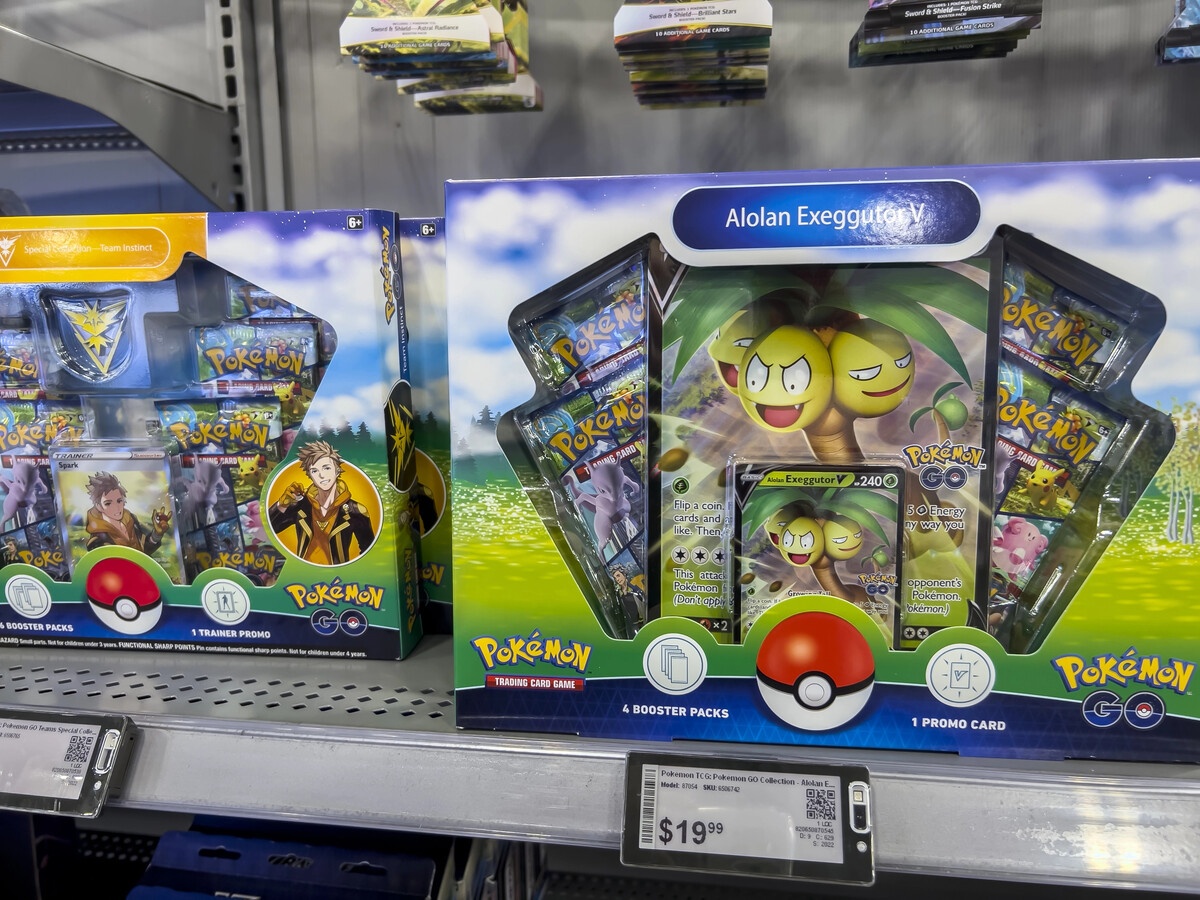
Walk into your local Target, find the Pokémon card aisle, and there's a decent chance the shelves are empty. Not because nobody restocked them. Because someone got there first, someone who wasn't there to play, collect, or enjoy anything. They were there to flip.
Trading card scalpers have become one of the most talked-about problems in the hobby. But to really understand what's wrong with scalping, you have to start with a more fundamental question: what makes money okay to earn?
Trading Card Scalpers and the Value Problem
Here's the thing about money, it's supposed to follow value. That's not a moral statement, it's just how healthy economies work. When someone creates something useful, solves a problem, or makes your life easier, it's fair to pay them for it.
Think about a middleman who helps you import Pokémon cards from Japan. That's a legitimate business. They speak the language, know the market, handle shipping, deal with customs, and deliver something to your door that you couldn't easily get yourself. That's real value. You're paying for knowledge, effort, risk, and logistics.
Or take a card grader. You bring them a raw card, they assess it, authenticate it, slab it, and now you have a certified, protected asset that the market trusts. That process adds something. Same with a card shop that curates inventory, offers local trade-ins, hosts tournaments, and builds a community around the hobby, or a site like (see here) that helps collectors browse and discover cards. All of that is value.
So the problem isn't profit. Profit is fine. The problem is when someone takes a shortcut that creates almost nothing, but still takes a cut.
Why Scalpers Don't Create Value
A trading card scalper's playbook is simple: show up early, buy everything in sight, and sell it back to the people who actually wanted it at two or three times retail.
No expertise. No curation. No service. Just friction.
The card didn't change. The experience didn't improve. The buyer is just poorer, and the scalper got paid for standing in line faster. That's it. And because scalpers often buy in bulk, they don't just take one or two copies for themselves, they drain the supply entirely, which means genuine collectors, players, and fans get nothing.
The McDonald's Japan situation made this painfully obvious. When Pokémon released a collaboration with McDonald's Japan that included exclusive TCG cards in Happy Meals, scalpers lined up by the dozens, bought every meal they could to get the cards, and then threw out the food. Literally discarded it. They stood in lines, wasted product, and blocked real fans from participating in something they actually cared about. Once that story got out, people were furious, and rightfully so.
The Ticket Scalper Analogy
If the McDonald's example feels extreme, here's a simpler picture: imagine you want to see a band you love. Tickets go on sale at 10am. By 10:02, every ticket is gone. By 10:05, they're all on StubHub for four times the original price.
You didn't lose to a faster fan. You lost to someone running a bot, who doesn't even know the band's name, and who will profit from your love of music without contributing anything to it.
Scalping trading cards works the same way. The scalper isn't more passionate, more knowledgeable, or more deserving. They just moved faster with fewer scruples. And the result is that the hobby becomes pay-to-access, not because the publisher raised prices, but because a middleman inserted themselves between the product and the person who actually wanted it.
That's not a market working correctly. That's a market being gamed.
Are There Ways to Protect Against Scalpers?
Manufacturers have tried. Pokémon, Wizards of the Coast, and others have introduced purchase limits, direct-to-consumer sales, and retailer-exclusive products specifically to reduce scalper access. Some stores moved Pokémon cards behind the counter. Online platforms implemented quantity restrictions.
So there are ways to fight back. But none of them are perfect, and scalpers adapt fast. Limit one per customer? They bring friends. Limit to one per account? They make new accounts. It becomes a permanent game of whack-a-mole.
Some communities have started buying directly from trusted sellers, avoiding retail entirely. Others track restock times and move fast. Neither solution is ideal, but both reduce scalper power.
The deeper fix is cultural: if the community refuses to buy from scalpers, the scalping economy collapses. Which leads to the most important point.
Scalpers Don't Always Win
Here's where it gets interesting. Scalping a trading card set isn't a guaranteed profit, it's a bet. And bets lose.
When a new set drops and hype is high, scalpers swoop in and margins look great. But sets don't always stay hot. Print runs increase. Hype cools. New sets release and pull attention away. And once demand starts falling, it tends to keep falling, because lower prices make other scalpers panic-sell, which floods the market with supply, which drives prices down further, which triggers more panic selling.
Scalpers who bought at retail expecting a quick flip can end up sitting on boxes they can't move. At that point, to recoup anything, they have to sell below their own floor. Sometimes significantly below. The "sure thing" becomes a storage problem.
So the scalper who cleared out a shelf of Pokémon cards isn't always laughing. Sometimes they're quietly offloading at a loss six months later. The hobby moves fast, and patience isn't exactly a scalper's strength.
Is There a Way to Beat Scalpers?
The most effective weapon against scalpers is the one they can't control: time. If enough buyers simply refuse to pay inflated prices and wait for the market to normalize, scalpers are stuck holding product they can't sell at a premium.
It's hard to exercise that patience when it's a set you really want. But it works. The Pokémon 25th anniversary sets are a good example, during peak hype, boxes were going for insane multiples of retail. Over time, prices on many products settled closer to retail as supply caught up, though some sealed product continued to climb. The people who waited often got them at fair prices. The people who paid scalper prices got the same cards for much more.
And that's the irony that scalpers never seem to see coming. They're in it purely for money. So they need buyers who are also motivated by money, by fear of missing out, by the idea that prices will keep rising. But the moment that fear evaporates and buyers stop caring, the whole model dies. Scalpers are entirely dependent on the passion of the people they're exploiting. They're sawing off the very branch they're sitting on.
If the hobby stops being fun, if players can't access the cards they need, if new fans, whether they lean investor or collector, get priced out before they even start, interest drops. And when interest drops, the secondary market drops with it. Scalpers don't just hurt collectors today. They slowly poison the ecosystem that makes their inventory worth anything at all.
The Bottom Line on Trading Card Scalpers
Scalping isn't illegal. It isn't always even avoidable. But it's a practice that creates almost nothing while extracting value from people who actually care about the hobby. The McDonald's food in the trash is the perfect symbol of it, a real cost, paid by real fans, for zero benefit to anyone except the person holding the stack of promo cards.
The good news is that the community has more power than it thinks. Scalpers need buyers. Refuse to be one, and the math stops working for them. It's that simple, and that hard.