Think trading cards are expensive? Here's what the data says about the true costs
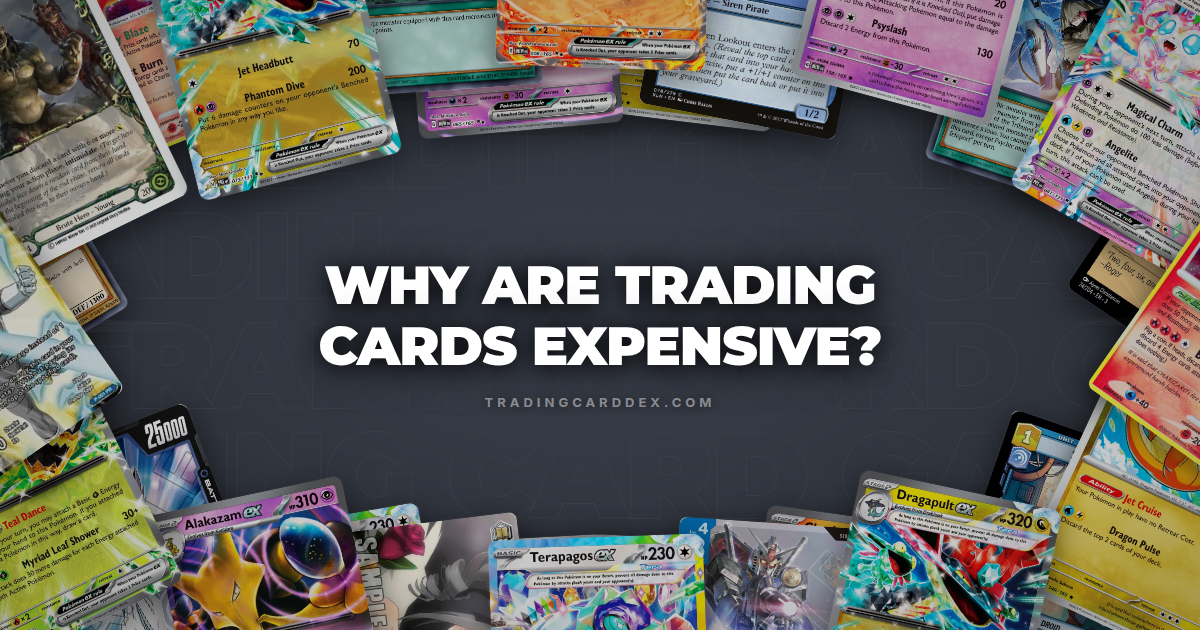
Walk into a card shop and a booster box might run you $120 to $160. Pull the cards inside and most are worth cents. A handful are worth dollars. One, if you're lucky, might be worth more than the box.
So are trading cards expensive? Most aren't. A common card from any set costs almost nothing. The hobby only looks expensive from the outside because the rare cards, the ones that end up on eBay and YouTube unboxing thumbnails, are the ones people talk about. And once people start talking, prices follow.
Trading card packs: cheaper than you think
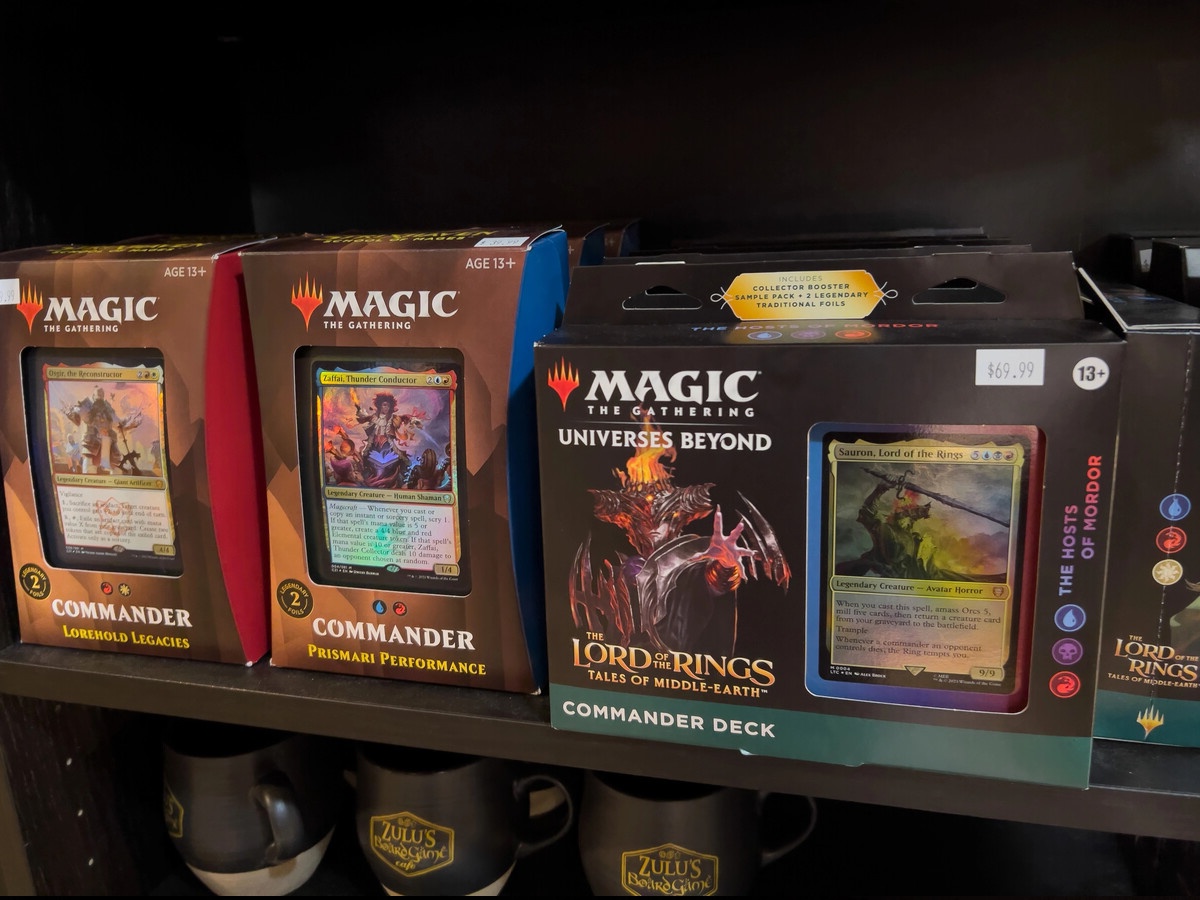
A single pack of Pokemon or Magic cards costs four to six dollars. A box costs more because you're buying volume, and whether booster boxes or singles make more sense depends on what you're after, but the price per card is still low. What you're really paying for is access to randomized pulls, and here's the thing: the value of those pulls is distributed unevenly across the set.
Common cards make up the bulk of every set. Base cards are designed to be plentiful. A single chase card might appear once in every 72 packs. That scarcity is built into the product deliberately. So the pack isn't expensive. The card you want inside it might be, and that's what makes people keep buying packs.
Supply and demand: the real price factor
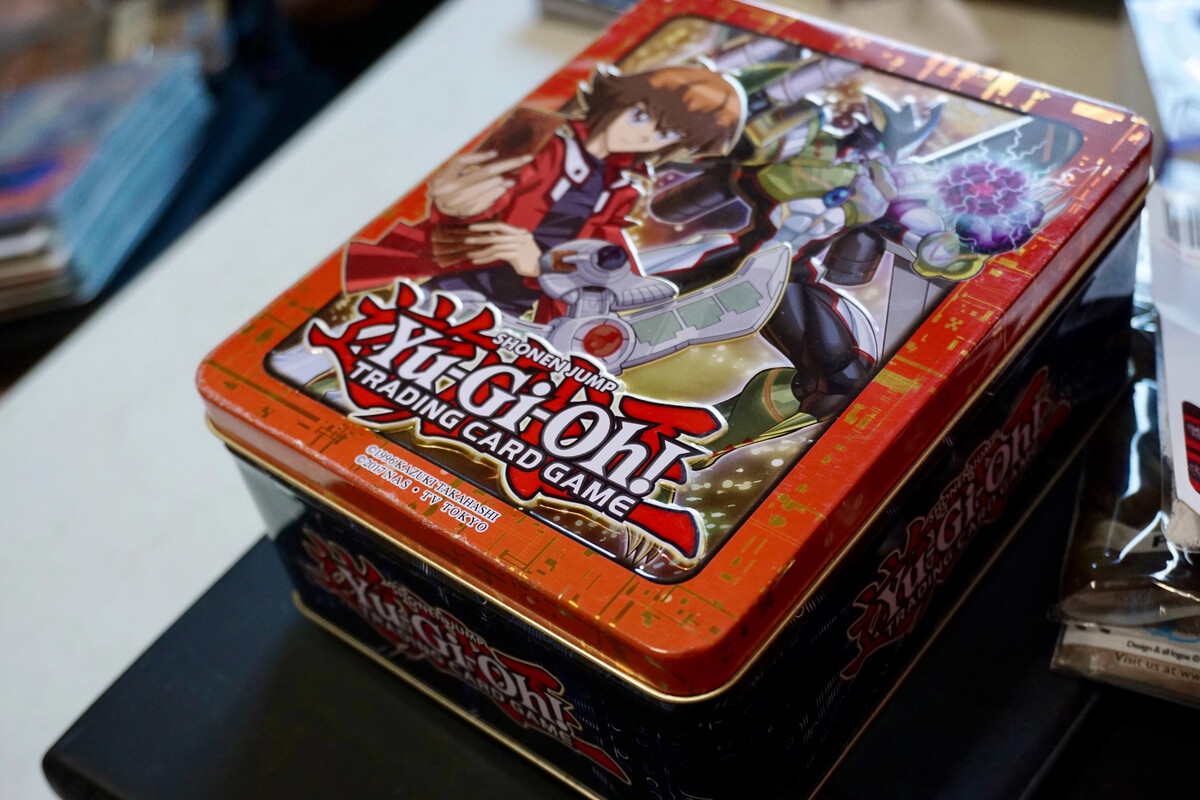
Every card market runs on supply and demand. When a trading card has more buyers than available copies, the price goes up. When supply exceeds demand, price falls. Simple in theory, but in the trading card world it gets more interesting fast.
The supply of any specific card is fixed at print. A card from a set printed in 1999 has a finite number of copies in existence, and that number only shrinks as cards get lost, damaged, or destroyed. Demand, meanwhile, can climb for decades if the IP stays relevant. That gap between fixed supply and growing demand is exactly what drives cards to thousands of dollars on the secondary market. The rarer the card and the more people want it, the faster the price goes up.
Modern cards with large print runs stay cheap because supply is abundant. But vintage cards, autograph cards, rookie cards with serial-numbered print runs of 10 or 25, these are expensive because there are very few of them and collectors want them. A baseball and football card box from the early 1990s might contain cards worth almost nothing, because those sets were printed by the millions. A trading card box from a limited modern set, on the other hand, can contain a single card worth more than the box itself. The print run was small, demand stayed high, and that gap is where price lives.
Valuable cards: what creates desire
Not all scarcity creates value, though. A card nobody wants is cheap no matter how rare it is. A card is valuable only when scarcity meets desirability, and once those two things align, price can move fast.
Gameplay drives a lot of it. A card that wins games gets played. Demand from competitive players pushes price up. But remove it from the meta, through a rotation, a ban, or a rules change, and demand drops with it, sometimes overnight.
Art is another factor that's easy to underestimate. Some cards have illustration that collectors want purely for how it looks, regardless of whether the card ever sees play. Certain Pokemon card artworks command premiums that have nothing to do with gameplay and everything to do with the image on the card.
Then there's the athlete or character. A rookie card of a player who becomes a legend carries that legacy in cardboard form. Once a player has that status, the card carries it forever. An autograph adds a one-off factor no reprint can replicate, and because there's only one of each, there's no ceiling on what a willing buyer might pay.
Grading piles onto this. A card graded PSA 10 is effectively rarer than the same card ungraded, because most copies aren't in perfect condition, and knowing how to spot fake trading cards matters even more at these price levels. So not only is the original card scarce, but the perfect copies of it are even scarcer. That certified condition creates a premium above the raw card, and the more desirable the card already is, the larger that premium becomes.
Trading card prices follow demand, and demand can leave
Here's the part the market doesn't like to talk about. The same forces that drive a card to $500 can bring it back to $20.
When a Pokemon set rotates out of competitive play, demand from players disappears. When an athlete retires or fades from relevance, collector interest softens. When an IP loses cultural relevance, the whole card world built around it deflates. And once demand starts leaving, it tends to keep going, because falling prices make other holders sell, which increases supply, which pushes prices down further.
Price is not permanent. It's a snapshot of how many people want that card on that day. And that number can change.
Why are trading cards expensive: the real answer
Most trading cards are not expensive. The average card in any set sells for under a dollar. The expensive cards are a small sliver, the ones where scarcity met genuine desirability at exactly the right moment, and enough people decided they had to have one.
The hobby itself is accessible. What isn't accessible is the market for the rarest, most sought-after cards in the most popular sets. That secondary market is expensive for the same reason anything scarce and desired is expensive, scarcity plus demand equals price. The trading card market is just unusually transparent about it. Every card has a live market price, visible to anyone on sites like (see here). Most of those prices are low. A small number are not. It has nothing to do with cardboard and everything to do with what collectors are willing to pay, and how few copies exist for them to compete over.