Skinner's pigeons pecked an empty feeder 10,000 times. You're doing the same thing every time you reach for a sealed pack.
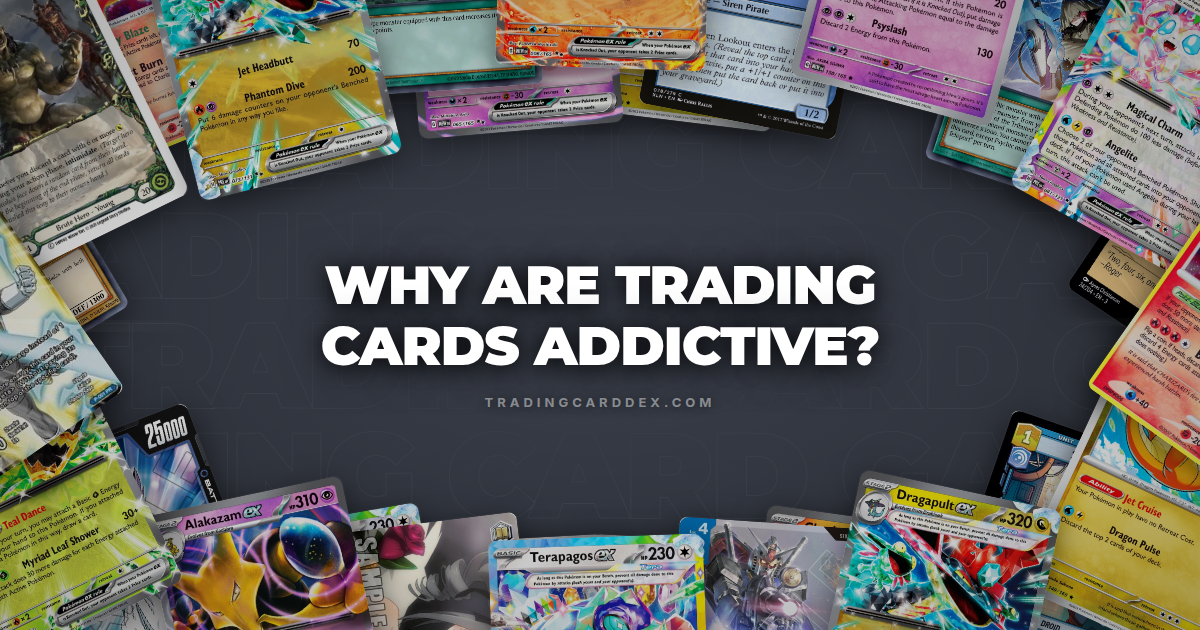
Ask anyone who collects trading cards why they keep buying packs and you usually get two answers. The first is the game. The strategy, the competition, building a deck that actually clicks and running it against someone who knows what they're doing. That part is genuinely fun.
The second answer is harder to explain, and most collectors know it doesn't entirely make rational sense. It's the pack. The sealed, unripped pack sitting on the table. The one that could have anything inside.
That feeling is not accidental. It's the product of well-understood brain chemistry, and once you see the mechanism clearly, you can't unsee it.
Dopamine and the science behind anticipation
Dopamine is the brain's reward signal, but calling it the "pleasure chemical" misses the more important point. Dopamine fires hardest in anticipation of a reward, not when the reward arrives. The peak of the brain's reward response happens in the moment before you find out what you got.
This is why opening a pack of cards feels better than having already opened it. When the cards are revealed, dopamine drops. The pack is done. The potential collapsed into reality. So you reach for another one.
Every gambling mechanism ever designed runs on this. Casino slot machines don't pay on a fixed schedule. If they did, the addiction wouldn't take hold the same way. They pay randomly, on a variable ratio, because the brain responds most intensely to unpredictable rewards. Card packs work the same way. That uncertainty is the engine.

Sports card collecting and Skinner's pigeons
B.F. Skinner ran experiments that changed how we understand compulsion. He put pigeons in boxes with illuminated disks that dispensed food when pecked. Some got food every time they pecked the disk, fixed ratio. Others got food randomly, variable ratio.
When Skinner disconnected the feeder and watched how long each group kept pecking, the difference was stark. The fixed-ratio pigeons stopped quickly. The variable-ratio pigeons kept going. One famously continued pecking at the empty feeder thousands of times after the last reward, because its brain had been trained to expect that the next peck might be the one that pays off.
Card collectors are those pigeons. Every pack you open that doesn't contain the card you want is a failed lever press. But because the reward is random, not fixed, your brain doesn't conclude "the feeder is empty." It concludes "the next one might work." Buying another pack isn't irrational from the brain's perspective. It is exactly what the reward system was trained to do.
Card addiction is similar to gambling addiction in its neurological structure. Sports betting addiction and gambling addiction research consistently points to variable ratio reinforcement as the mechanism. Sports card addiction follows the same pattern. The card packs are the lever. The rare card is the pellet.
Card addiction: the unopened pack problem
An unopened pack carries infinite potential.
As long as a base booster remains sealed, it theoretically contains every card in the set. It could have the holographic Charizard. The autograph rookie card that'll be worth ten times its price in five years. You don't know, and because you don't know, your brain fills the gap with possibility.
The moment you open it, the potential collapses. The pack becomes whatever it contains. If the rare card isn't there, the pack is spent. But the next sealed one carries everything that one just lost.
This is different from most consumer purchases. You buy something, you have it, the transaction is complete. Opening a pack of cards doesn't complete a transaction. It triggers a new loop. The sealed packs sitting next to the opened ones now carry all the hope the opened ones released. Card collectors often describe buying more packs immediately after a bad opening, not for value, but because the sealed packs feel unbearably full of possibility.
FOMO operates the same mechanism. Card prices rise around set releases. Collectors who don't open now fear they'll miss the window. So they buy cards. The sealed packs sit there pressing on the brain. They get opened. The opening disappoints. They buy more.
Every unopened base booster carries with it the potential of a holo Charizard. That potential is real, the card could genuinely be inside. The moment you rip it, you find out it wasn't. Then the next one carries the same promise again.

Addictive gameplay and the compulsion loop
Trading card games compound this with something most addictive products don't have: the gameplay loop is actually good.
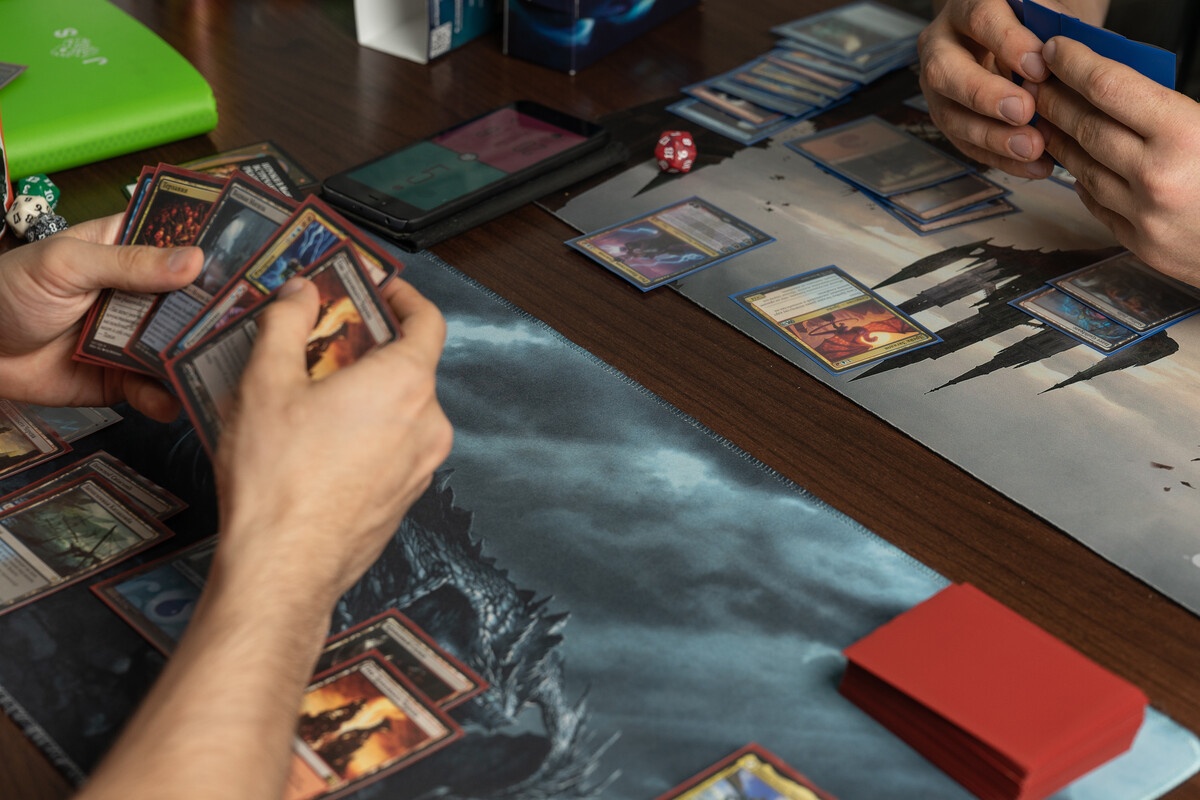
Pokemon TCG, Magic: The Gathering, and similar TCGs offer real strategic depth that makes many people wonder whether trading card games are actually worth it. Deck building is creative problem-solving. High-level play requires reading opponents and making decisions under pressure. Collecting and playing reinforces mastery, which releases its own dopamine response separate from pack openings.
The gameplay feeds the pack opening loop in a specific way. You play. You identify cards you need. You want those cards. You open packs hoping they're inside. They usually aren't, or they are and you need different ones now because the meta shifted or you want a new deck. So you play more, identify more needs, open more packs.
Pure sports card collecting has the dopamine hit and the speculation. TCG players have all that plus an actual reason to need the cards to keep playing. The gameplay gives the pack opening rational cover. Rational cover is exactly what makes a behavioral addiction harder to see from the inside.
Science behind the loop: anticipation, reveal, repeat
The pack rip runs on four stages that repeat without a natural stopping point.
Anticipation. The sealed pack exists. The brain's reward system activates in response to the uncertain outcome.
Decision. You open the pack. The pigeon presses the lever.
Reveal. The cards are visible. Dopamine spikes on a hit or drops on a miss. Either way, this pack's potential is gone.
Reset. The next sealed pack represents a new uncertain outcome. The anticipation begins again.
Card collectors who spend large amounts of money on packs in short sessions often describe being unable to stop mid-box. Opening one pack and closing the box means sitting with resolved packs and unresolved ones at the same time, which is neurologically uncomfortable. The brain wants to resolve the uncertainty. So the box gets finished. Then the next box carries the potential.
Line between hobby and compulsion
Card collecting is a harmless hobby for most people. Collecting and playing trading card games builds community, and some collectors develop real skills in market analysis over time.
The line between hobby and compulsion runs through behavior, not enthusiasm. Neglecting responsibilities to open card packs. Neglecting bills because card prices felt urgent. Compulsive buying that the person knows doesn't make sense but can't stop. These are signs that card addiction is similar to other behavioral addictions and that the reward system has overridden rational decision-making.
Most collectors will feel addicted at some point and pull back. Some won't be able to. The brain chemistry driving both groups is identical. Variable ratio reinforcement doesn't care how responsible you are. The most self-aware pigeon was still the last to leave the empty feeder.
Why trading cards are addictive: the full picture
The gameplay loop is genuinely fun. Build a deck, play, improve, win, refine. Normal hobby, normal rewards.
The pack rip is something else. It's a variable ratio reinforcement machine dressed as a collectible product. Every sealed pack is simultaneously the rarest card in the set and a bulk common, until you open it. The sealed pack carries the potential of everything. The opened pack carries only what it contains.
Why are trading cards addictive? Because the brain wasn't built to rationally evaluate this loop. It was built to keep pressing the lever because the next press might be the one. When you buy cards, you are not buying the cards. You are buying the unresolved potential they represent before you open them. That's why sealed product exists at all, and why the hobby is built around opening packs rather than buying singles, even when buying singles is cheaper and more rational.
The rookie card you need is available for $8 on the secondary market. But opening packs to find it is addictive in a way buying a single is not, because only one of those involves the lever.
The best collectors know the game being played on them and enjoy it anyway. They set a budget, stay in it, and appreciate the rip for what it is. The worst outcomes happen when the pigeon keeps pecking at the empty feeder and calls it strategy.